
Statement of ICC Deputy Prosecutor Nazhat Shameem Khan to the United Nations Security Council on the Situation in Darfur, pursuant to Resolution 1593 (2005)
Forty-third report: EN | FR | Arabic
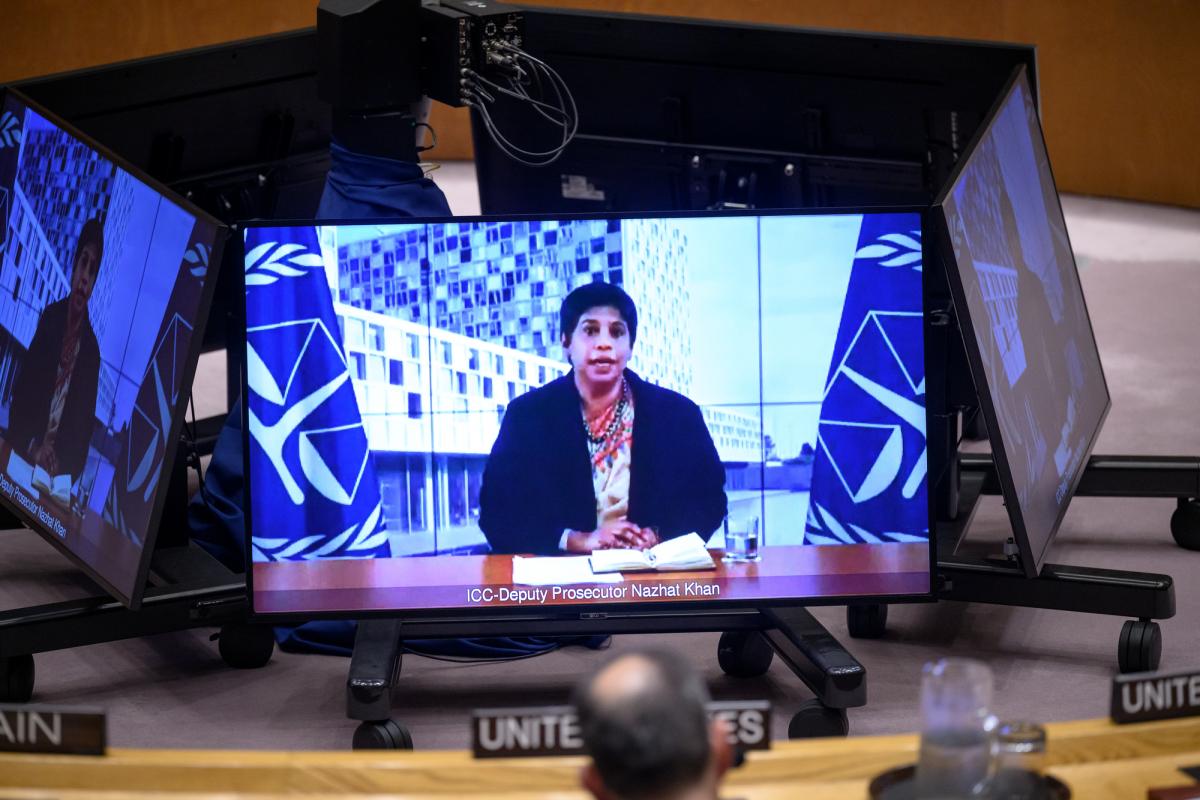
(On 15 July 2026, ICC Deputy Prosecutor Nazhat Shameem Khan addressed the United Nations Security Council on the Situation in Darfur, Sudan, virtually from The Hague. Below is a transcript of her remarks.)
Mr President, thank you for the opportunity to brief the Security Council today.
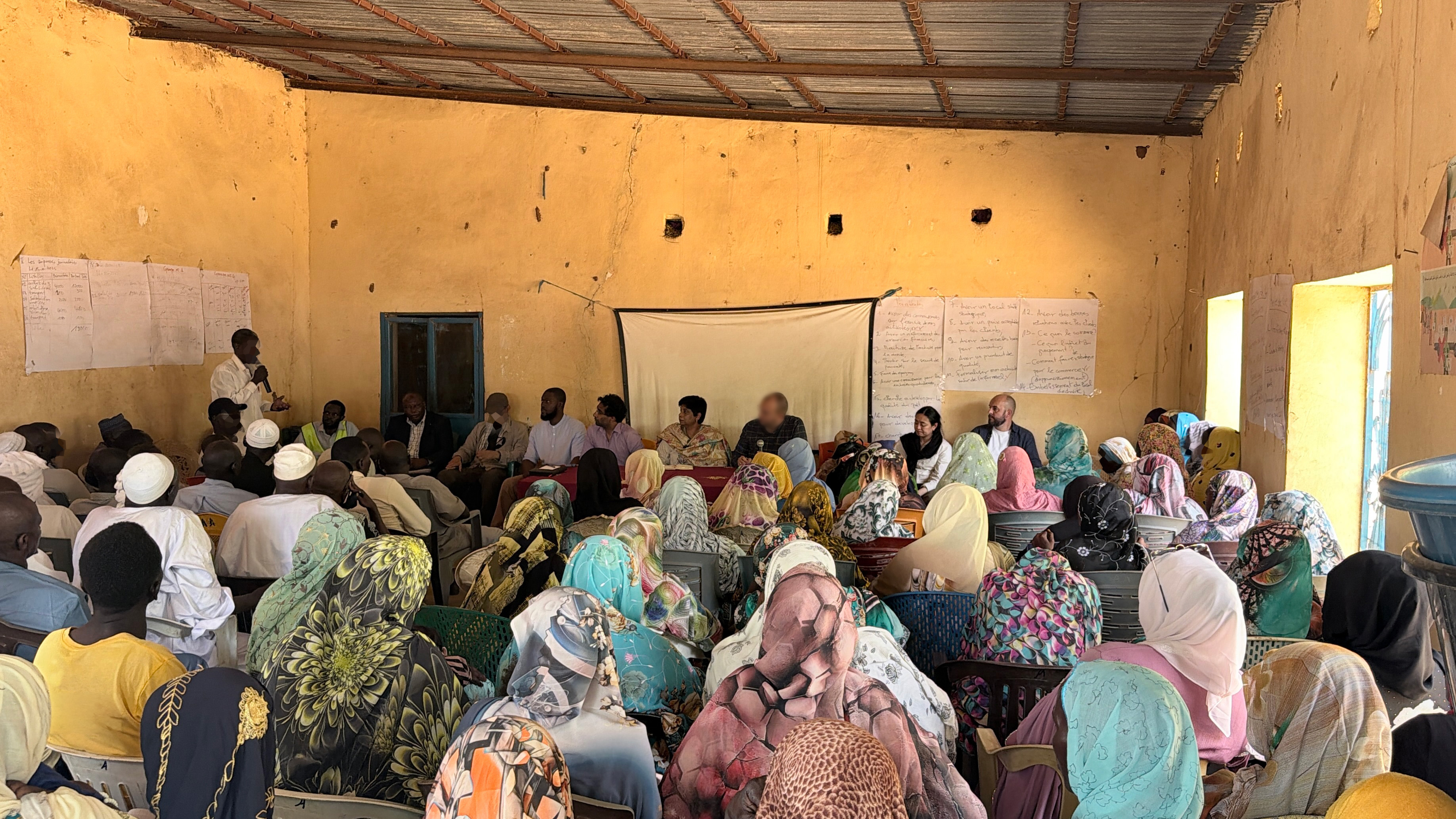
Please allow me to also express my thanks to his Excellency the Permanent Representative of Sudan to the United Nations for his attendance. Mr. President, Excellencies, last week I was in Eastern Chad, hearing directly from just a small fraction of the Darfuris affected by the harrowing cycles of suffering that continue to be inflicted upon them.
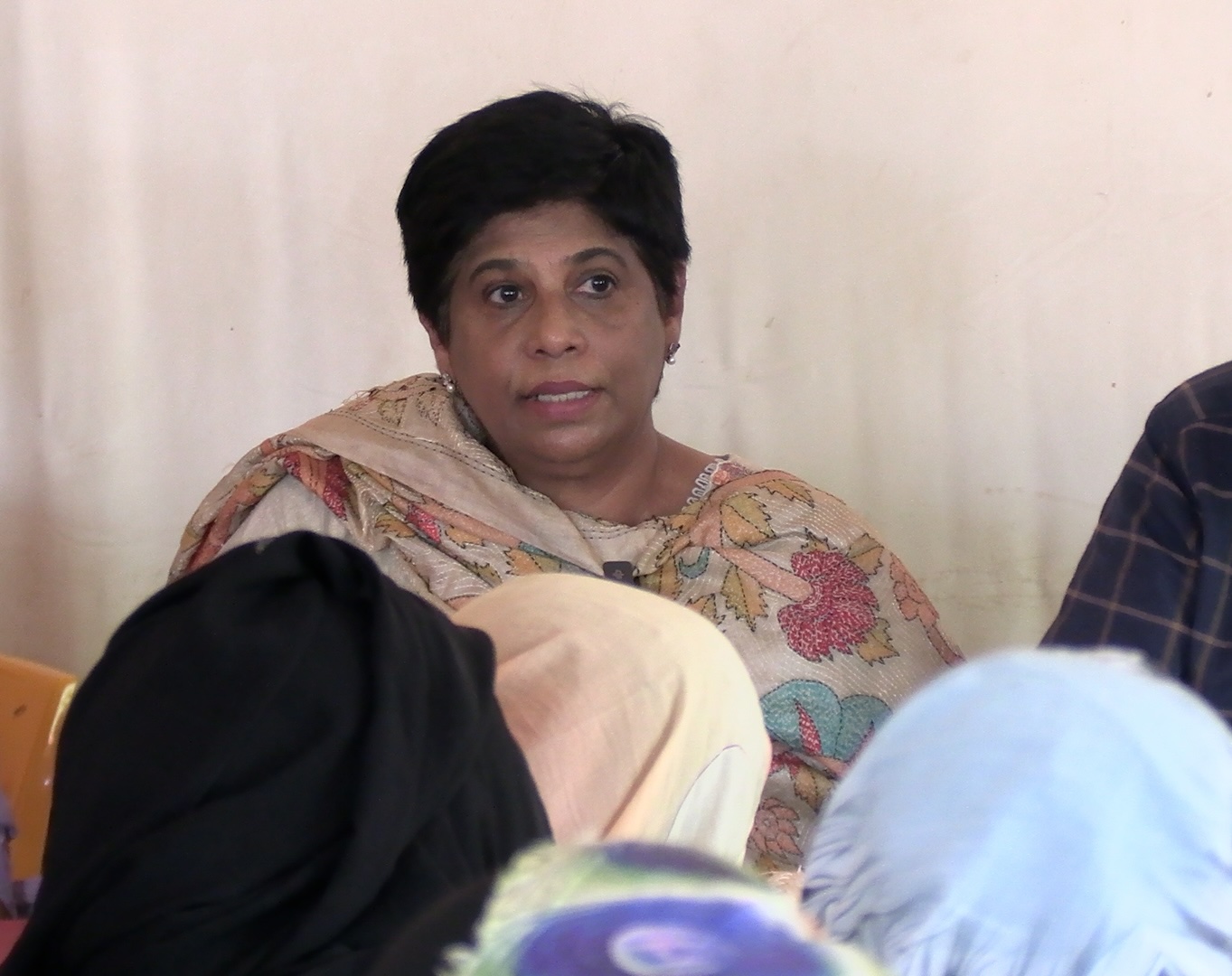
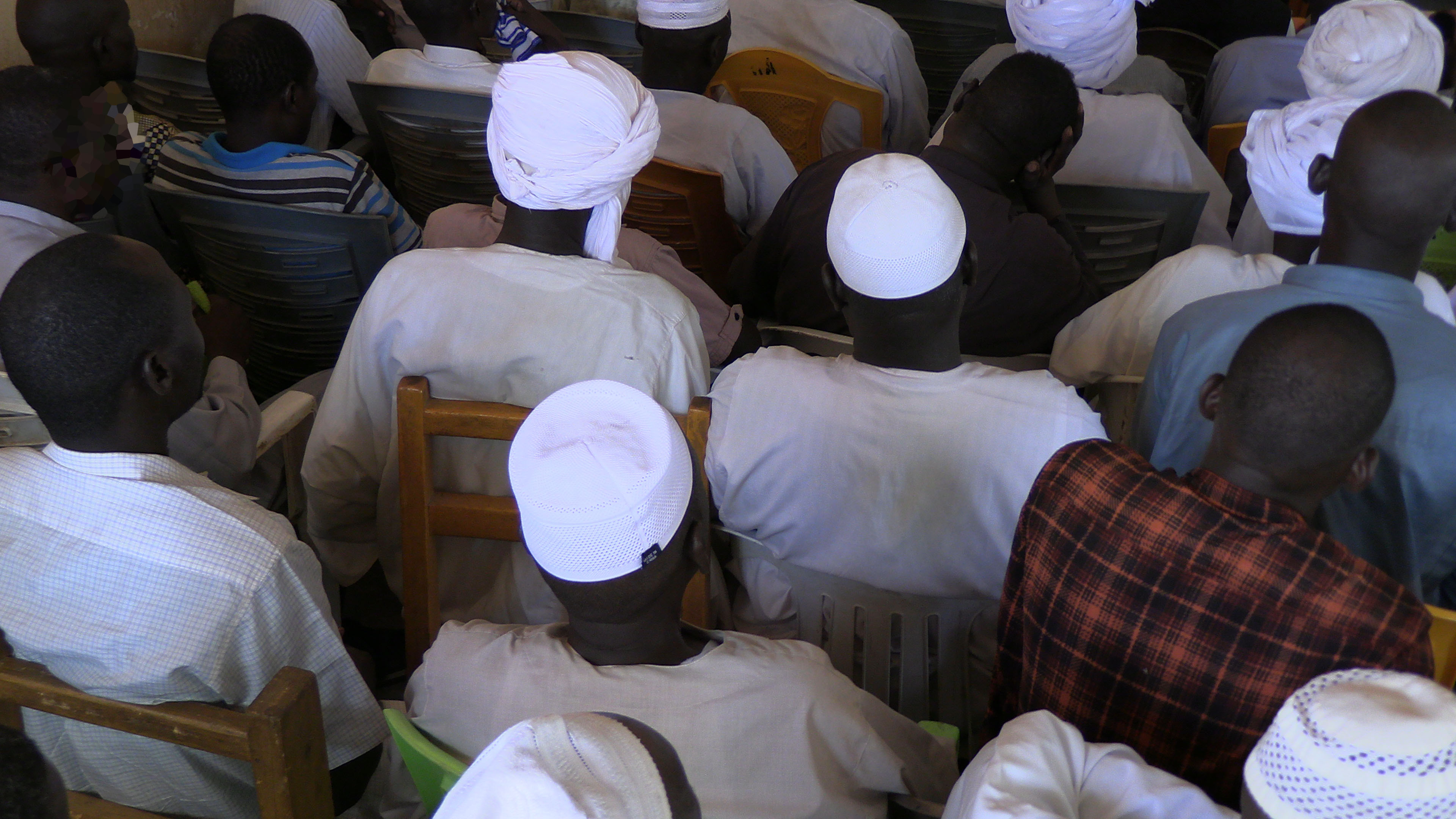
In refugee camps in Goz Beida and in Farchana, I sat with Darfuri women, men and children to hear their experiences, and to address how the process of justice can help stem the ongoing violations suffered by their communities. Those I met with included displaced Darfuris from the camps of Adre, Arkoum, Aboutengue, Metche, Alacha, Kerfi, Goz Amir, and Zabout, who travelled, despite their own difficult circumstances, to meet with me and my team.
These conversations were deeply impactful, and I must admit, difficult. The victims I spoke with continue to bear the consequences of being driven from their homes. Living in conditions of acute hardship, they struggle each day to provide food, water and education for their children, while longing to return in safety and dignity to their homeland.
There is real despair in those camps. A clearly and repeatedly-stated belief that they have been forgotten by much of the world. That their lives are not given equal value, that the depth of their suffering has not been met with a meaningful response.
And the specific, individual experiences of pain they shared with us reflected the collective agony of the people of Darfur, including:
- Those who saw their parents die, who saw their mothers raped in front of their very eyes;
- People who were sacrificed as if they were livestock;
- Men huddled into prisons and burnt or buried alive;
- Women who spoke of being raped repeatedly and;
- Children directly attacked, raped, and traumatized by what they have seen.
Recent reports of mass killings were also mirrored in who we actually saw in these camps, with women and girls, and many orphans, making up a significant majority of the population. The experiences they shared reflected the mirror-image that we see between the patterns of large-scale crimes that gave rise to the referral by this Council of this situation to the ICC in 2005 and the gravest of atrocities that are now again being carried out across Darfur.
The same types of crimes, the same targeted communities, the same mechanisms of inflicting pain and humiliation. One person told me: “This is an unbearable situation for us, we have been suffering since 2003.”
In addition to the pain in their accounts, there is another, overriding emotion. Fear. Fear that the worst , unbelievably, is still to come. Fear that the world may again watch as the violation of the Darfuri is re-lived.
The men and women I spoke to are receiving clear accounts about what is happening and building in El Obeid. We have seen this before. This is a pattern. More unspeakable crimes will take place.
As reflected in my Report to this Council, the Office of the Prosecutor is united with the Office of the High Commissioner for Human Rights in a collective view that the most serious international crimes may be about to take place in El Obeid. We cannot say we did not know. We cannot say it could not be expected.
It is for this Council and all States, to act now, to prevent further atrocities, to take responsibility and ensure that those likely to suffer yet again from what is unfolding are given protection. We should not shy away from this legal and moral duty. We cannot tolerate another Al Geneina, we cannot tolerate another El Fasher.
Mr President, Excellencies, speaking with so many who have suffered so much, and those that fear even worse, it can be easy, perhaps natural, to feel a sense of despondency. But, in fact, that is not what I left with from my meetings with these Darfuri communities.
It is truly moving, when sitting with women, children and men who have been subjected to the most serious of crimes, to feel, of course amongst frustration, the genuine value and importance they continue to give to the process of justice, and to the work of the ICC.
This was shown in their recognition of how their experiences were reflected in the successful conviction and sentencing of Mr Abd-Al-Rahman, also known as Ali Kushyab, for war crimes and crimes against humanity. In the words of one man I spoke with : “This was a victory for our people.”
There is now real anticipation, real hope, as victim communities look to the proceedings now underway before the judges of the International Criminal Court to provide meaningful reparations. Support for this crucial step, including through contributions to the ICC Trust Fund for Victims, will be essential in ensuring Darfuris truly feel the impact of the justice process.
And this continued hope and commitment was also seen in the many men and women who travelled long distances to meet with us. They came forward to our Team members, passing their numbers, their contact details, sometimes privately, sometimes over the heads of the groups present, wanting to contribute to our investigations, and accelerate the delivery of results for their communities. This was justice in action.
Mr President, Excellencies, in this spirit of partnership, in speaking with these victims, I underlined to them that our Office is moving at speed to deliver greater accountability for what they and their families have been through. That we will not be deterred from our objective of holding those most responsible to account for the crimes committed in El Fasher in 2025, in Al Geneina in 2023, and for the historic crimes that began more than two decades ago, the legacy of which continues to fuel the bloodshed we are witnessing today.
Crucially, I was able to confirm to them, as I have to you in my report today, that the Office has now taken important steps forward in our investigations in recent months, including the conduct of crucial interviews of key witnesses that have allowed the Office to draw a direct link between recent crimes committed in Darfur to high-level perpetrators.
Of course, I am limited by the Court's regulations in what I can say about any potential applications for the arrest of particular individuals. So I want to be clear that my remarks must not be understood in that context. The report that my Office has already submitted to the Council should also be understood in the same vein.
But, nevertheless, I can tell you that we are seeing real, concrete progress in our investigations. This is a paradigm shift. It is a breakthrough. And it sends a clear message.
To those who lead these attacks, to those who plan them, to those who support the commission of atrocities from afar and believe they can benefit from impunity. You are mistaken. Our Office has secured vital evidence that will allow us to hold senior contributors to attacks to account.
Further evidence-collection carried out during this reporting period has also strengthened the legal finding outlined in our last report that both war crimes and crimes against humanity have been committed in both Al Geneina and El Fasher.
As I explained to those we met, these developments reflect the Office's established, deliberate investigative strategy to ensure that the judicial outcomes of its investigations properly capture the large-scale persecution and displacement endured by non-Arab and other targeted Darfuri communities. That same strategy also ensures that the accounts of those who have suffered gender-based crimes, including rape and other forms of sexual violence, are fully reflected in our investigations.
This investigation has faced real, significant challenges. Our resources are limited, we have not been able to access the territory of Darfur, nor interview witnesses in a number of other key locations, and the witness protection needs are significant. And I also have to be honest with this Council that the coercive actions taken against the ICC do have an impact on our operations, including with respect to the situation in Darfur.
But I am confident, despite these hurdles, and based on the wide range of material we have collected, including over 130 interviews of victims, satellite imagery, documentary evidence, audio-visual material and other digital assets, our work now effectively demonstrates the gravity and extent of the suffering of the communities we have met this week.
Mr President, Excellencies, the hope that we can still see among Darfuri communities, compels us to act, together, to deliver more for them. And the momentum we are building in this effort, as you have seen in my report, is founded on a common effort, on harnessing a coalition of accountability for Darfur.
In the last six months we have seen how partnerships with a wide range of actors have allowed us to significantly accelerate our activities:
- Deepened engagement with civil society organisations, including those working closely with affected communities, has supported identification of important new leads and lines of investigative focus, while also allowing for collaboration in the collection and analysis of open-source material.
- Continued outreach sessions with victims, survivors and Darfuri diaspora have generated several leads for the ongoing investigations;
- Formal cooperation including through requests for assistance has been expanded with third States and international and regional organisations; and
- Collaboration with the United Nations Fact-Finding Mission for the Sudan has remained an important pillar of our work.
I must take this occasion Mr President to thank in particular the Government of Chad for its steadfast support for the work of the Office of the Prosecutor in the situation in Darfur. I had the opportunity during my mission to meet with his Excellency the Foreign Minister, during which meeting I expressed our sincere recognition both of excellent assistance provide by Chad for the activities we undertake pursuant to the mandate of this Council, as well as their support for those in the camps I visited this week.
In productive discussions with Her Excellency the Minister of Justice, we also identified new areas in which Chad and the ICC can work together, in the spirit of complementarity. We have agreed to develop a new framework for cooperation that will allow the Office to provide support to Chadian national authorities with respect to the investigation of sexual and gender-based crimes.
This is the type of mutual partnership the Office is seeking to develop with States across this region. Our Office is truly grateful to all of our partners for the contribution they are making towards justice for the people of Darfur. This collaboration will be intensified in the coming months, and I wish to call on all States to lend their support to these efforts, including in particular by supporting the interview of victims and witnesses in their territories. I also wish to extend my sincere thanks to our United Nations partners whose support was so crucial for our mission.
Mr President, Excellencies, I have also recognized in my report that the cooperation of the Government of Sudan has remained on a positive trajectory. This has allowed for further deployments by our Darfur Unified Team to Port Sudan as well as supporting the collection of important information relevant to investigations.
I wish to express my appreciation to the Government of Sudan for this cooperation, which will remain crucial to our work in the coming period. I would also wish to repeat my call for the Rapid Support Forces to engage with my Office.
Again, over the last six months we have not seen any action match apparent indications of willingness to provide cooperation. This represents not just an attempt to frustrate our work, but is a clear violation of the terms of Security Council resolution 1593.
I would also wish to take this opportunity to note to the Council the announcement made yesterday regarding the application of the Office of the Prosecutor to withdraw charges against Mr Abdallah Banda Abakaer Nourain in relation to previous crimes in the Situation of Darfur. This will be addressed in a Status Conference to be held next week and I will include further detail in our next report.
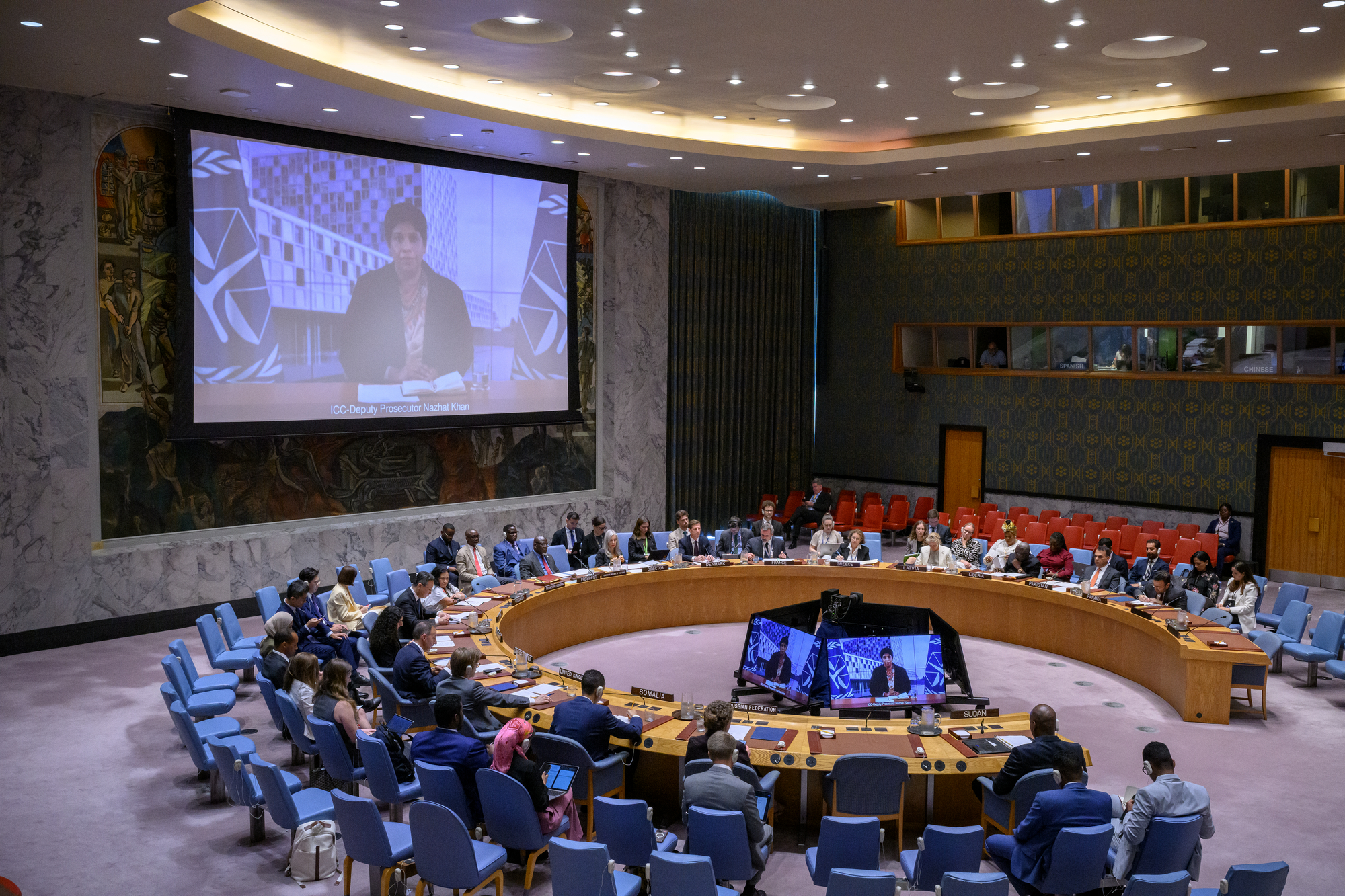
Mr President, Excellencies, if I may, I would like to conclude with what struck me most deeply in my meetings with the Darfuri communities in Chad this last week. It is that so often, amidst the absolute darkest of experiences, despite the failings they have seen and the cycles of suffering that have befallen them, there remains a fragile, but real hope that our collective work can provide them some validation, some basis to believe that the world values their lives.
It is this continued belief of the Darfuri, almost against their own experiences, that gives absolutely no State or organisation any right to give up, to be despondent, or to even seek to undermine the work of those who are partnering with the people of Sudan to turn that hope into meaningful justice.
One man was clear in what he wanted me to pass on to you today. He said: “Justice is what is needed in Darfur. But we need all countries to come together to help us, to help the ICC.”
Again and again, we heard from victims that they want States, the United Nations and the ICC to work together more coherently, more impactfully to deliver more for Darfuri victims. Our Office is more committed than ever to work with all of you in this essential, common effort.
Building on the crucial progress we have made in the last six months, harnessing the real momentum we have built, and driven by the incredible courage of those I have met this week, we will be working intensively to demonstrate to the Darfuri people that they are right to believe and to trust that justice will come.
I call on all States in this Council, all members of the United Nations, and all partners for accountability, to heed the voices of the victims that I have shared with you today, and to join us at this crucial moment for the people of Darfur.
I thank you.
التقرير الثالث والأربعون: إنكليزي|فرنسي|عربي
(في 15 تموز/يوليو 2026، أدلت نائبة المدعي العام للمحكمة الجنائية الدولية نزهة شميم خان ببيان أمام مجلس الأمن التابع للأمم المتحدة بشأن الحالة في دارفور(السودان)، عن بعد من لاهاي. وفي ما يلي نص بيانها).
حضرة الرئيس، شكرًا على هذه الفرصة لإحاطة مجلس الأمن اليوم.
اسمحوا لي أن أعرب عن شكري لسعادة الممثل الدائم لجمهورية السودان لدى الأمم المتحدة على حضوره. حضرة الرئيس، أصحاب السعادة، زرت الأسبوع الماضي شرق تشاد، حيث استمعتُ إلى شريحة صغيرة من أبناء دارفور الذين ما زالوا يرزحون تحت وطأة دوامات مروعة من المعاناة المستمرة.
وفي مخيمات اللاجئين في قوز بيدا وفرشانة، جلستُ مع نساء ورجال وأطفال من دارفور، واستمعتُ إلى ما مرّوا به من تجارب، وتحدّثنا عن مسيرة العدالة وكيف لها أن تسهم في التصدي للانتهاكات المستمرة التي يعانون منها. مقابلاتي شملت نازحين من مخيمات أدري، وأركوم، وأبو تينغي، وميتشي، وعلاشة، وكيرفي، وقوز أمير، وزابوط، تكبّدوا عناء السفر رغم ظروفهم القاسية لمقابلتي وفريقي.
لقد كان لهذه اللقاءات أثر بالغ وأعترف بأنها كانت مؤلمة. فالضحايا الذين التقيت بهم ما زالوا يتحملون تبعات إجبارهم على ترك ديارهم. وهم يعيشون في ظروف بالغة القسوة، ويكافحون يوميًّا لتوفير الغذاء والماء والتعليم لأطفالهم، فيما يتوقون إلى العودة بأمان وكرامة إلى ديارهم.
يأس حقيقيّ يخيّم على تلك المخيمات. فقد كرر من التقيت بهم بوضوح أنهم يعتقدون بأن العالم بمعظمه قد نسيهم، وأن قيمة حياتهم لا تساوي قيمة حياة غيرهم، وأن هول معاناتهم لم يُقابل باستجابة مناسبة.
وتجسّد التجارب الشخصية الأليمة والمحددة التي سردوها لنا المأساة الجماعية لأبناء دارفور:
من رؤوا آباءهم يُقتلون، وأمهاتهم يتعرضن للاغتصاب أمام أعينهم؛
من ضُحّي بهم وكأنهم قطعان؛
رجال زجّ بهم في في السجون وأُحرقوا أو دُفنوا أحياء؛
نساء تحدثن عن تعرضهن للاغتصاب بشكل متكرر؛
وأطفال استهدفوا بشكل مباشر، واغتصبوا، وأصيبوا بصدمات نفسية جراء ما رأت أعينهم.
وقد عكس الواقع الذي شهدناه داخل هذه المخيمات التقارير الأخيرة عن عمليات القتل الجماعي، إذ شكّلت النساء والفتيات والعدد الكبير من الأيتام الغالبية العظمى من السكان. وعكست الشهادات التي استمعنا إليها صورة تطابق أنماط الجرائم واسعة النطاق التي دفعت هذا المجلس إلى إحالة الحالة في دارفور إلى المحكمة الجنائية الدولية عام 2005، ولأفظع الفظائع التي تُرتكب من جديد في مختلف أنحاء دارفور.
الجرائم نفسها، والمجتمعات المستهدفة نفسها، والأساليب ذاتها في إلحاق الألم والإذلال. قال لي أحد الأشخاص: "الوضع لا يُحتمل؛ فنحن نعاني منذ عام 2003."
بالإضافة إلى الألم في الشهادات طغى شعور آخر: شعور الخوف. الخوف من أن الآتي أعظم، وهو ما يبعث على الذهول. والخوف من أن يقف العالم مرة أخرى متفرجًّا فيما تتكرر الانتهاكات بحقّ أبناء دارفور.
إن الرجال والنساء الذين التقيت بهم يتلقون معلومات واضحة عما يجري في الأبيض وعن التصعيد هناك. إنه مشهد سبق أن رأيناه. إنه نمط يتكرر. وسيقع مزيد من الجرائم التي يعجز اللسان عن وصفها.
وكما ورد في تقريري المرفوع إلى هذا المجلس، فإن مكتب المدعي العام يتفق مع مفوضية الأمم المتحدة السامية لحقوق الإنسان في التقييم الجماعي بأن أخطر الجرائم الدولية قد تكون على وشك أن تُرتكب في الأبيض. ولا يسعنا أن نقول بأننا لم نكن نعلم بذلك، وبأن ذلك لم يكن متوقّعًا.
ويقع على عاتق هذا المجلس وعلى الدول كافّة أن تتحرك الآن لمنع وقوع مزيد من الفظائع، وللاضطلاع بالمسؤولية وتوفير الحماية لمن يُرجَّح أن يعانوا مرة أخرى من تبعات ما يتكشّف من أحداث. ينبغي ألّا نتنصل من هذا الواجب القانوني والأخلاقي. لا يمكن أن نقبل بتكرار ما حدث في الجنينة. لا يمكن أن نقبل بتكرار ما حدث في الفاشر.
حضرة الرئيس، أصحاب السعادة، قد يدفع الحديث مع هذا العدد الكبير من الأشخاص الذين عانوا هذا القدر من المآسي ومع من يخشون الأسوأ إلى الشعور بالإحباط، بل إنّ ذلك قد يبدو طبيعيًّا. غير أن ذلك لم يكن الانطباع الذي خرجت به من لقاءاتي مع أبناء دارفور.
إنّه لأمر مؤثر بحقّ أن تجلس مع نساء وأطفال ورجال تعرضوا لأكثر الجرائم جسامة وأن تلمس رغم الإحباط أنهم ما زالوا يولون بالفعل الأهمية والتقدير لمسار العدالة ولعمل المحكمة الجنائية الدولية.
لقد تجلّى ذلك في إدراكهم أن ما مرّوا به من معاناة قد انعكس في إدانة السيد عبد الرحمن، المعروف أيضا باسم علي كوشيب، والحكم عليه بارتكاب جرائم حرب وجرائم ضد الإنسانية. وعلى حد تعبير رجل تحدّثت إليه: "لقد كان ذلك انتصارًا لشعبنا".
أمامنا اليوم ترقّب وأمل حقيقيّين، إذ يتطلع الضحايا إلى الإجراءات الحالية أمام قضاة المحكمة الجنائية الدولية، أملًا في أن تفضي إلى جبر فعلي للضرر. وسيكون دعم هذه الخطوة المهمة، بما في ذلك من خلال تقديم مساهمات إلى الصندوق الاستئماني للمجني عليهم التابع للمحكمة الجنائية الدولية ضروريا لضمان أن يلمس أبناء دارفور الأثر الحقيقي لمسار العدالة.
وقد رأينا هذا الأمل والالتزام الذين لم ينقطعا في الرجال والنساء الكثيرين الذين قطعوا مسافات طويلة للقائنا. فقد بادروا إلى التواصل مع أعضاء فريقنا، وزودوهم بأرقام هواتفهم وبيانات الاتصال بهم، طورًا على انفراد وطورًا على مرأى الحاضرين، رغبةً منهم في الإسهام في تحقيقاتنا، وتسريع تحقيق النتائج لمجتمعاتهم. وكان ذلك تجسيدًا حيًّا للعدالة.
حضرة الرئيس، أصحاب السعادة، انطلاقًا من روح الشراكة هذه، أكّدت للضحايا الذين التقيت بهم أن مكتبنا يمضي بخطى حثيثة نحو تعزيز المساءلة عما عانوه هم وعائلاتهم، وأننا لن نحيد عن هدفنا المتمثل في مساءلة الأشخاص الذين يتحمّلون القسط الأكبر من المسؤولية عن الجرائم التي ارتُكبت في الفاشر عام 2025 وفي الجنينة عام 2023 وكذلك عن الجرائم التاريخية التي بدأت قبل أكثر من عقدين التي لا تزال آثارها تغذي إراقة الدماء اليوم.
واستطعت كذلك أن أؤكد لهم كما أكدت لكم في تقريري اليوم أن المكتب قد أحرز في الأشهر الأخيرة تقدّمًا مهمًّا في تحقيقاته، وقد شمل ذلك إجراء مقابلات بالغة الأهمية مع شهود رئيسيين أتاحت للمكتب ربط الجرائم التي ارتُكبت في الآونة الأخيرة في دارفور بشكل مباشر بجناة رفيعي المستوى.
ولا يخفى عليكم أنّ لوائح المحكمة تفرض قيودًا على ما يمكنني الإفصاح عنه في ما يتعلق بأي طلبات محتملة لإصدار أوامر قبض بحق أفراد معيّنين. لذلك، أود أن أشدد على ضرورة عدم تفسير ملاحظاتي في هذا السياق. والأمر سيّان بالنسبة إلى التقرير الذي سبق لمكتبي أن قدّمه إلى المجلس.
ومع ذلك، أستطيع أن أؤكد لكم أننا نشهد تقدّمًا حقيقيًّا وملموسًا في تحقيقاتنا. هو تحوّل جذريّ في مسار عملنا، وهو إنجاز مفصلي يوجه رسالةً واضحة.
إلى من يقودون هذه الهجمات، وإلى من يخططون لها، وإلى من يدعمون ارتكاب الفظائع من بعيد ويظنون أنهم سيفلتون من العقاب، أقول: أنتم مخطئون. فقد جمع مكتبنا أدلة بالغة الأهمية ستمكّننا من مساءلة كبار المساهمين في هذه الهجمات.
وقد عزز جمع أدلة إضافية في الفترة المشمولة بهذا التقرير أيضًا الاستنتاج القانوني الوارد في تقريرنا السابق، ومفاده أن جرائم حرب وجرائم ضد الإنسانية قد ارتُكبت في كل من الجنينة والفاشر.
وكما أوضحتُ لمن التقينا بهم، تعكس هذه التطورات استراتيجية التحقيق الثابتة التي رسمها المكتب بعناية والرامية إلى ضمان أن تُجسّد النتائج القضائية لتحقيقاته على النحو الواجب النطاق الواسع للاضطهاد والتهجير اللذين تعرض لهما أبناء دارفور من المجتمعات غير العربية وغيرها من المجتمعات المستهدفة. وتكفل هذه الاستراتيجية أن تعكس تحقيقاتنا بشكل كامل تجارب من تعرضوا لجرائم قائمة على النوع الاجتماعي، بما في ذلك الاغتصاب وغيره من أشكال العنف الجنسي.
لقد واجه هذا التحقيق تحديات حقيقية وكبيرة. فمواردنا محدودة، ولم نتمكن من الوصول إلى إقليم دارفور، ولا من إجراء مقابلات مع الشهود في عدد من المواقع الرئيسية الأخرى، فضلًا عن الحاجة الكبيرة إلى حماية الشهود. ولا بد لي أن أكون صريحة مع هذا المجلس، فالتدابير القسرية المتخذة ضد المحكمة الجنائية الدولية تؤثر بالفعل في عملياتنا، بما في ذلك تلك المتعلقة بالحالة في دارفور.
ومع ذلك فأنا على يقين بأنه رغم هذه التحديات، واستنادًا إلى المجموعة الواسعة من المواد التي جمعناها، بما في ذلك أكثر من 130 مقابلة مع الضحايا، والصور الملتقطة بالأقمار الاصطناعية، والأدلة الوثائقية، والمواد المرئية والمسموعة، وغيرها من الأصول الرقمية، أن عملنا يبرهن الآن بوضوح جسامة معاناة من التقينا بهم هذا الأسبوع وحجمها.
حضرة الرئيس، أصحاب السعادة، إن الأمل الذي لا يزال يحدو أهل دارفور يحتم علينا أن نعمل معًا لنقدّم لهم المزيد من الدعم. والزخم الذي نبنيه في هذا المسعى، كما هو موضّح من تقريري، يقوم على جهد مشترك وعلى حشد ائتلاف من أجل المساءلة في دارفور.
لقد رأينا في الأشهر الستة الماضية كيف أتاحت لنا الشراكات مع طيف واسع من الجهات الفاعلة تسريع أنشطتنا على نحوٍ ملحوظ:
فقد أسهم تعميق التعاون مع منظمات المجتمع المدني، بما في ذلك المنظمات التي تعمل عن كثب مع المجتمعات المتضررة، في التوصل إلى خيوط جديدة مهمة للتحقيق وإلى تحديد مسارات جديدة ستركز عليها جهود التحقيق، مع إتاحة المجال للتعاون في جمع المواد المستمدة من المصادر المفتوحة وتحليلها.
وأفضت جلسات التوعية التي لم تنقطع مع الضحايا والناجين ومع أبناء دارفور في المهجر إلى الكشف عن عدد من الخيوط الجديدة التي تخدم التحقيقات الجارية.
وجرى توسيع نطاق التعاون الرسمي، بما في ذلك طلبات المساعدة، مع الدول الثالثة والمنظمات الدولية والإقليمية.
وظل التعاون مع البعثة الدولية المستقلة لتقصي الحقائق في السودان التابعة للأمم المتحدة جزءًا أساسيًّا من عملنا.
حضرة الرئيس، لا بدّ أن أغتنم هذه المناسبة لأتوجه بالشكر الخاص إلى حكومة تشاد، على دعمها الراسخ لعمل مكتب المدعي العام في الحالة في دارفور. وقد كانت لي فرصة اللقاء بمعالي وزير الخارجية خلال زيارتي، فأعربتُ له عن بالغ تقديرنا لما قدمته تشاد من دعم ممتاز للأنشطة التي نضطلع بها تنفيذًا للولاية التي عهد بها إلينا هذا المجلس، فضلا عن المساعدة المقدّمة للأشخاص الموجودين في المخيمات التي زرتها هذا الأسبوع.
وفي مباحثات مثمرة مع معالي وزيرة العدل، حددنا مجالات جديدة للعمل المشترك بين تشاد والمحكمة الجنائية الدولية، انسجامًا مع مبدأ التكامل. وقد اتفقنا على وضع إطار جديد للتعاون يتيح للمكتب تقديم الدعم إلى السلطات الوطنية التشادية في ما يتعلق بالتحقيق في الجرائم الجنسية وتلك القائمة على النوع الاجتماعي.
هذا هو نموذج الشراكات المتبادلة الذي يسعى المكتب إلى ترسيخه مع دول هذه المنطقة. ويعرب مكتبنا عن امتنانه العميق لجميع الشركاء على إسهامهم في تحقيق العدالة لشعب دارفور. وسنعمل على تعزيز هذا التعاون في الأشهر المقبلة، وأدعو جميع الدول إلى دعم هذه الجهود، لا سيما من خلال المساعدة على إجراء مقابلات مع الضحايا والشهود الموجودين على أراضيها. وأتوجه بخالص الشكر إلى شركائنا في الأمم المتحدة الذين كان دعمهم حاسمًا في إنجاح مهمتنا.
حضرة الرئيس، أصحاب السعادة، لقد أشرتُ في تقريري إلى أن تعاون الحكومة السودانية قد حافظ على منحاه الإيجابيّ. وقد أتاح ذلك لفريقنا الموحَّد المعني بدارفور إرسال بعثات إضافية إلى بورتسودان، فضلًا عن دعم جمع معلومات مهمة ذات صلة بالتحقيقات.
وأعرب عن تقديري للحكومة السودانية على هذا التعاون الذي يبقى ضروريًّا لعملنا في الفترة المقبلة. وأكرر دعوتي لقوات الدعم السريع للتعاون مع المكتب. فعلى غرار الفترات السابقة، لم نرَ على مرّ الأشهر الستة الماضية أي إجراءات تُترجم التصريحات المعلنة بشأن الاستعداد للتعاون إلى واقع. ولا يمثّل ذلك مجرد محاولة لعرقلة عملنا، بل يشكل انتهاكًا واضحًا لأحكام قرار مجلس الأمن رقم 1593.
وأود أيضًا أن أغتنم هذه المناسبة لأحيط المجلس علمًا بالإعلان الصادر أمس بشأن طلب مكتب المدعي العام سحب التهم الموجهة إلى السيد عبد الله بندا أبكر نورين في ما يتعلق بالجرائم التي كانت محل الاتهام في الحالة في دارفور. وسيُنظر في هذا الطلب في جلسة استعراض الحالة المقرر عقدها الأسبوع المقبل، وسأوافيكم بمزيد من التفاصيل في تقريرنا المقبل.
حضرة الرئيس، أصحاب السعادة، اسمحوا لي أن أختم كلمتي بأكثر ما أثّر فيّ في لقاءاتي مع أبناء دارفور في تشاد الأسبوع الماضي. فقد لمست أنه في خضم أحلك التجارب، ورغم ما شهدوه من إخفاقات، ورغم المحن المتعاقبة التي ألمت بهم، لا يزال يحدوهم أمل هش لكن حقيقي في أن يمنحهم عملنا الجماعي بعضًا من رد الاعتبار ويحملهم على الإيمان بأن العالم يقدّر قيمة حياتهم.
إن هذا الإيمان الذي لا يزال يتمسك به أبناء دارفور على نحو يكاد يتحدّى ما مرّوا به لا يترك لأي دولة أو منظمة أي مبرر للاستسلام، أو لليأس، أو حتى للسعي إلى تقويض جهود أولئك الذين يعملون بالشراكة مع شعب السودان لتحويل هذا الأمل إلى عدالة حقيقية. وقد كان أحد الرجال واضحًا في تحميلي رسالة إليكم اليوم، إذ قال: "دارفور بحاجة إلى العدالة. لكننا بحاجة أيضًا إلى تكاتف جميع الدول لمساعدتنا ولمساعدة المحكمة الجنائية الدولية."
قالها الضحايا مرارًا وتكرارًا، قالوا إنهم يريدون من الدول، ومن الأمم المتحدة، ومن المحكمة الجنائية الدولية العمل معًا على نحوٍ أكثر اتساقًا وفاعلية لصالح ضحايا دارفور. وإن مكتبنا اليوم أشد التزامًا من أي وقت مضى بالعمل معكم جميعًا في هذا المسعى المشترك والضروري.
وبناءً على التقدم المهم الذي أحرزناه على مرّ الأشهر الستة الماضية، وعلى الزخم الحقيقي الذي تولّد، وإذ نستمد العزم من الشجاعة الاستثنائية التي لمستها لدى من التقيت بهم هذا الأسبوع، سنكثّف عملنا لنبرهن لأبناء دارفور أن لهم كل الحق في أن يؤمنوا ويثقوا بأنّ العدالة آتية.
وأدعو جميع الدول الأعضاء في هذا المجلس، وجميع الدول الأعضاء في الأمم المتحدة، وجميع الشركاء الذين يدعمون المساءلة، إلى الإصغاء إلى أصوات الضحايا التي نقلتها إليكم اليوم وإلى الانضمام إلينا في هذه اللحظة المفصلية من أجل شعب دارفور.
شكرًا لكم.
المصدر: مكتب المدعي العام | للاتصال:[email protected]