
Statement of Deputy Prosecutor Nazhat Shameem Khan to the United Nations Security Council on the Situation in Darfur, pursuant to Resolution 1593 (2005)
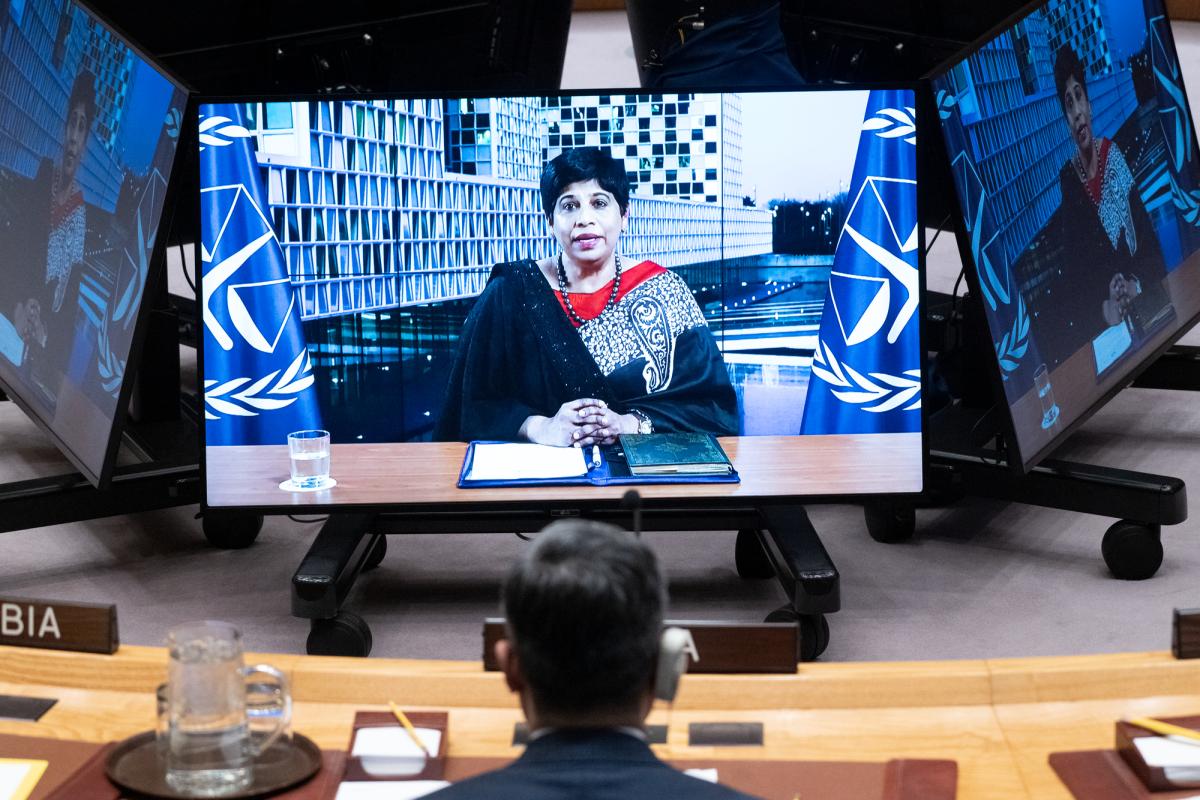
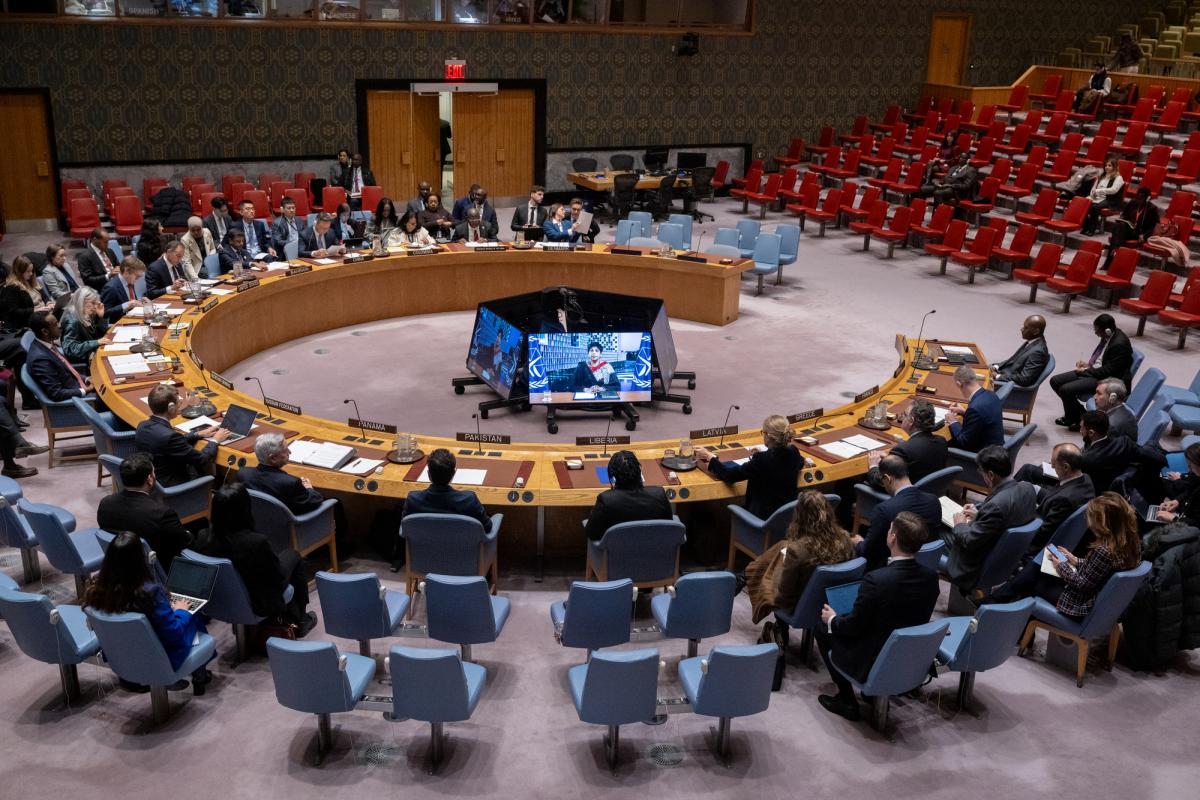
(On 19 January 2026, ICC Deputy Prosecutor Nazhat Shameem Khan addressed the United Nations Security Council on the Situation in Darfur, Sudan, virtually from The Hague. Below is a transcript of her remarks.)
Mr President, thank you for the opportunity to brief the Security Council today. It was my hope and intention to be with you today in the Council Chamber, in particular given the importance of this moment in Darfur, but I regret that I was not granted a visa in order to be able to provide my briefing in line with the mandate provided by the Council.
Please allow me to also express my thanks to his Excellency the Permanent Representative of Sudan to the United Nations for his attendance.
Mr President, Excellencies, since I last addressed this Council, the situation in Darfur has darkened even further. Darfuris, as we speak, are being subjected to collective torture.
The fall of El Fasher to the RSF has been accompanied by an organized, calculated campaign of the most profound suffering, targeting non-Arab communities in particular – rape, arbitrary detention, executions, mass graves, all perpetrated on a massive scale. Many of these crimes have been filmed and celebrated by those committing them. This dreadful situation is still ongoing, fuelled by a sense of complete impunity.
Our response to this must not be mere platitudes here in this Chamber but must represent real action on the ground.
As reflected in my report, the Office of the Prosecutor is working intensively, collecting evidence, accelerating its investigations, together with affected communities, both with respect to crimes committed in Al Geneina in West Darfur, and in El Fasher in North Darfur.
Mr President, Excellencies, based on information and evidence collected by the Office in this reporting period, including video, audio and satellite data, it is the assessment of the Office of the Prosecutor that war crimes and crimes against humanity have been committed in El Fasher, including in particular in late October as a culmination of the siege of the city by the Rapid Support Forces.
Video material analysed by the Office shows a similar pattern of crimes previously seen being allegedly committed by the RSF in other areas of Darfur, including detention, mistreatment, and killings of persons from non-Arab tribes. Members of the RSF are seen celebrating direct executions and subsequently desecrating corpses.
Our work has been focused on corroborating these images with a range of other sources, in pursuit of individual criminal responsibility for these acts. This has included:
- Analysis of satellite imagery indicative of mass killing events and attempts to conceal crimes through the establishment of mass graves;
- Engaging with affected communities and identifying potential witnesses to obtain and corroborate preliminary collected information;
- Processing submissions received from civil society organisations and other partners which have further mirrored video evidence collected.
The picture that is emerging is appalling: organised, widespread, mass criminality including mass executions; atrocities which are used as a tool to assert control.
As also reflected in my report, with respect to Al Geneina, the Office has made significant progress in its investigative work.
We have conducted interviews with direct witnesses to attacks, in countries hosting Sudanese refugee communities. They have provided compelling evidence of attacks against camps for internally displaced persons, pillaging, indiscriminate targeting of civilian populations, detentions, gender-based crimes, and crimes against and affecting children.
The evidence shows that the patterns of atrocities in Al Geneina in 2023 have been replicated in El Fasher in 2025.
This criminality is being repeated in town after town in Darfur. It will continue until this conflict, and the sense of impunity that fuels it, are stopped.
As I emphasised to the Council in my last briefing, as part of our investigations, we are ensuring a thorough and effective approach to the investigation of gender-based crimes.
It is undeniable, based on our investigations, that sexual violence, including rape, is being used as a tool of war in Darfur. This is clear from our engagement with affected communities, from the accounts we have heard directly, and from our close cooperation with UN partners and other organisations documenting these atrocities. The systematic and effective investigation of these crimes will remain a key priority in the coming period.
In this context, we are aware, and have had discussions also with authorities from the Government of Sudan, on the cultural and gender barriers to reporting such crimes to us, and indeed to any relevant partner. This places a responsibility on us to ensure that our investigations and outreach are conducted in a cultural and gender-sensitive manner, requiring a close involvement of the Office of the Prosecutor’s Gender and Children’s Unit, and requiring an ongoing focus on ensuring that our investigators are gender competent and culturally aware.
We are also aware that there are reports of Rome Statute crimes allegedly committed by the Sudanese Armed Forces in Darfur, and we are ensuring documentation of such reports. All parties involved in the conflict must ensure they meet their obligation under international law, and must not target civilian populations and facilities.
We call on all those who may have further information in relation to alleged crimes in El Fasher, Al Geneina and across Darfur, to come forward and provide this to the ICC, in particular through the secure online platform OTPLink. This is the moment to ensure that all of our collective efforts and all information held by our partners and affected communities are used in pursuit of our active investigations.
Mr President, Excellencies, as we have intensified our investigations in Darfur, we have also seen a significant, if only a first, step towards justice in The Hague.
On the 6th of October 2025, Mr Ali Muhammad Ali Abd-Al-Rahman was convicted by the International Criminal Court of war crimes and crimes against humanity committed in Darfur including murder, torture, and outrages upon personal dignity. The judges of the Trial Chamber unanimously convicted him of all charged criminal conduct. On the 9th of December, he was sentenced to 20 years imprisonment for these crimes.
Mr Abd-Al-Rahman was found by the ICC judges to be the Janjaweed leader known as “Ali Kushayb”, and confirmed his role as direct perpetrator and co-perpetrator, as well as confirming his responsibility for ordering the commission of these atrocities. They also confirmed his close connection to senior members of the Government of Sudan, including ICC fugitives Ministers Abdel Raheem Muhammad Hussein and Ahmad Harun.
The conviction and sentencing of Mr Abd-Al-Rahman represents several landmarks. It is the first conviction resulting from a referral by the Security Council to the Court, but also the first conviction in the Darfur situation as well as the first conviction on grounds of gender-based persecution at the ICC.
Of course, any relief brought by this moment must be set against the deep, ongoing suffering we see currently in Darfur. But Darfuris have underlined to us, again and again, that this trial and this conviction do indeed represent important, meaningful outcomes for the hundreds and thousands of victims who fled their homes in 2003 and 2004, and those who suffered at the hands of the Janjaweed.
It is our commitment to them, to all victims in Darfur, and to this Council today, that this first conviction will, in time, be seen not just as a landmark but as a catalyst for much broader, deeper accountability for crimes committed against the people of Darfur, through the work of the ICC.
Mr President, Excellencies, if we are to build on this progress; if we are to ensure that the conviction of Ali Kushayb sets the basis for further accountability, the expanded and active cooperation of our partners will be essential. The scale of suffering and criminality in Darfur at present can only be addressed if we work together.
In the last six months, we have seen some key steps forward in our cooperation with a range of partners, which have set the basis for progress made. They include:
- Strong collaboration with a number of African States, and in particular the Government of Chad, which has facilitated access to its territory, thus enabling the conduct of a number of interviews with members of affected communities;
- Deepened cooperation with our civil society partners, including through dedicated in-person events held in a number of States aimed at identifying ways to work more effectively together in the documentation of crimes committed in Darfur and;
- Expanded engagement with the United Nations Fact-finding Mission for the Sudan as well as other UN partners, in particular with respect to gender-based crimes.
Despite this notable progress, our investigations continue to face significant obstacles, including limited access to relevant witness populations, and the lack of safe access to crime scenes. Many potential witnesses face serious challenges related to their own safety, making it essential that any engagement with them is conducted in a manner that ensures robust protection against intimidation or reprisal.
In the face of these significant challenges, we need more support. I have highlighted in my report key areas where additional assistance and investment of resources are sought from States, international and regional organisations and our civil society partners. States in particular can play an even more central role in supporting our work, including by:
- Sharing satellite imagery and other audio-visual and digital information and intelligence relevant to the investigation;
- Supporting the identification, screening and interview of Darfuri diaspora in domestic jurisdictions, including through the provision of visas to Office staff to conduct such interviews; and by
- Seconding national experts in specialised technical areas in support of the analytical activities of the Office.
We welcome all possible additional cooperation that you can provide at this critical moment.
And I also reiterate my call for all efforts to frustrate our work, through sanctions or arrest warrants against ICC officials, to cease. We do not have time to waste in our efforts to deliver justice for Darfuri communities. The real hurdles to accountability are already high enough without purposeful attempts to prevent action towards accountability.
Mr President, Excellencies, in our engagement with Sudanese authorities in this reporting period, we have seen more progress, with further commitments for cooperation made. Indeed, the Government of Sudan has supported additional missions by the Office to Port Sudan, and has also responded promptly to some of the additional requests that we have submitted.
I was also pleased, upon the sentencing hearing in relation to Ali Kushayb, to welcome the Attorney-General of Sudan to the ICC, together with the committee established by Sudanese authorities for cooperation with the Office. The Attorney-General and I had candid discussions regarding the ongoing criminality in Darfur and across Sudan including the proliferation of gender‑based crimes throughout the conflict.
Our discussions were concrete, and positive, with promises of further cooperation that will make a real difference to our investigations. That promise is made not just to us but to this Council and to the victims of atrocities in Sudan, and we have every expectation that it will be honoured.
I want to also be clear on one key point: the Government of Sudan must work with us seriously, with focus, to secure the arrest of those individuals subject to ICC arrest warrants presently in Sudan: Omar Hassan Ahmad Al Bashir, Ahmad Harun and Abdel Raheem Muhammad Hussein. I underline again that Mr Harun in particular must be given priority. Action must now be taken to bring him to trial or for him to surrender voluntarily.
Mr President, Excellencies, to conclude, I wish to share the words of the courageous Darfuri victims in the courtroom of the ICC at the trial of Mr Abd-Al-Rahman, “Justice and asking for justice is a human request for a person to be treated with dignity and justice and equity. The natural existence of a human being requires this to be provided for. And so when people see that there is injustice towards a number of people or a certain individual, and there's nothing that they can do, there will be chaos, panic, fear and terror.”
That victim has now seen some justice. It is not enough, but the conviction of Ali Kushayb, based on the testimony provided by that witness and many other Darfuri survivors, has demonstrated that this Council, together with the ICC can provide a path to accountability for these crimes.
Our common task is now to widen the path that we have built, to allow more victims to walk down it so that they can receive the validation of truth-telling and justice that we saw at the ICC last October.
I have set out in my report and in this briefing how States and other partners can most effectively contribute to this work. I ask you to respond with the assistance we need. The greater the cooperation and support that our Office receives, the faster and more effectively we can deliver results.
We stand ready to work with all of you to deliver more for all victims, and to deliver a firewall of accountability to stop the further spiraling of atrocities in Darfur.
I thank you.
التقرير الثاني والأربعون: الإنكليزية | الفرنسية | العربية
فيديو: الإنكليزية | الفرنسية | العربية
(في 19 كانون الثاني/يناير 2026، أدلت نائبة المدعي العام للمحكمة الجنائية الدولية نزهة شميم خان ببيان أمام مجلس الأمن التابع للأمم المتحدة بشأن الحالة في دارفور (السودان)، عبر الإنترنت من لاهاي. وفيما يلي نص بيانها.)
سيدي الرئيس، أشكركم على إتاحة الفرصة لي لتقديم إحاطة إلى مجلس الأمن اليوم. لقد كنت آمل وأعتزم أن أكون معكم في قاعة المجلس، لا سيما بالنظر إلى أهمية هذه اللحظة في ما يخص دارفور، ولكن يؤسفني عدم حصولي على تأشيرة تمكنني من تقديم إحاطتي بما يتماشى مع الولاية الصادر التكليف بها من المجلس.
وأرجو أن تسمحوا لي كذلك بأن أعرب عن شكري لسعادة المندوب الدائم للسودان لدى الأمم المتحدة على حضوره.
السيد الرئيس، أصحاب السعادة، منذ أن خاطبتُ هذا المجلس آخر مرة، ازداد الوضع سوءًا في دارفور. إن أبناء دارفور يتعرضون، في اللحظة التي نتكلم فيها، للتعذيب الجماعي.
فقد رافق سقوط الفاشر في يد قوات الدعم السريع حملة منظمة ومدروسة لإلحاق أشد أنواع المعاناة بالمجتمعات غير العربية وتقد تمثّل ذلك على وجه الخصوص في الاغتصاب والاعتقال التعسفي والإعدامات والدفن في المقابر الجماعية، وكلها أعمال ارتكبت على نطاق واسع. وقد صَوَّر مرتكبو العديد من هذه الجرائم أنفسهم وهم يرتكبونها ويحتفلون بها. ولا يزال هذا الوضع المروع مستمرًا، يغديه شعور بالإفلات التام من العقاب.
وأمّا ردنا في هذه القاعة على هذا الوضع فلا يجب أن يكون مجرد كلمات جوفاء، بل أن يعكس إجراءات ملموسة على أرض الواقع.
وكما هو موضح في تقريري، يكثف مكتب المدعي العام جهوده، جامعًا الأدلة، ومسرّعًا وتيرة تحقيقاته، بالتعاون مع المجتمعات المتضررة، سواء فيما يتعلق بالجرائم المرتكبة في الجنينة في غرب دارفور، أو في الفاشر في شمال دارفور.
السيد الرئيس، أصحاب السعادة، بناءً على المعلومات والأدلة التي جمعها المكتب في الفترة المشمولة بهذا التقرير، بما في ذلك مقاطع الفيديو والصوت وبيانات الأقمار الاصطناعية، انتهى تقييم مكتب المدعي العام إلى أن جرائم حرب وجرائم ضد الإنسانية قد ارتكبت في الفاشر، خصوصا ما ارتكب في أواخر تشرين الأول/أكتوبر في أوج حصار قوات الدعم السريع للمدينة.
وتُظهر مقاطع الفيديو التي حللها المكتب نمطًا مماثلًا للجرائم السابقة التي تفيد الادعاءات بأنّ قوات الدعم السريع قد ارتكبتها في مناطق أخرى من دارفور، ومنها الاحتجاز وإساءة المعاملة وقتل أشخاص من قبائل غير عربية. وشوهد أفراد من قوات الدعم السريع وهم يحتفلون بعمليات الإعدام المباشرة وينتهكون بعد ذلك حرمة الجثامين.
لقد تركز عملنا على تأكيد صحة هذه الصور عن طريق مجموعة من المصادر الأخرى، سعيًا إلي تحديد المسؤولية الجنائية الفردية عن تلك الأفعال. وقد شمل ذلك ما يلي:
- تحليل صور الأقمار الاصطناعية التي تشير إلى أحداث قتل جماعي ومحاولات إخفاء الجرائم من خلال حفر مقابر جماعية؛
- التواصل مع المجتمعات المتضررة وتحديد الشهود المحتملين للحصول على المعلومات الأولية التي جُمِعت وتأكيد صحتها؛
النظر في الطلبات الواردة من منظمات المجتمع المدني والشركاء الآخرين والتي تحاكي مقاطع فيديو كان قد جمعت كأدلة.
إن الصورة التي تَترسَّم ملامحها مروعة: فقد ارتكبت أعمال إجرامية منظمة، وواسعة النطاق وجماعية، بما في ذلك عمليات الإعدام الجماعي؛ وهي فظائع تُستخدم كأداة لفرض السيطرة.
وكما ورد في تقريري، أحرز المكتب، فيما يتعلق بالجنينة، تقدّمًا ملحوظًا في التحقيقات.
فقد أجرينا، في البلدان التي تستضيف لاجئين سودانيين، مقابلات مع شهود عيان شاهدوا بأنفسهم الهجمات فقدموا أدلة دامغة على الهجمات على مخيمات المشردين داخليًا، والنهب، والاستهداف العشوائي للمدنيين، والاحتجاز، والجرائم القائمة على النوع الاجتماعي، والجرائم ضد الأطفال وتلك التي تمسّهم.
وتشير الأدلة إلى أن أنماط الفظائع التي وقعت في الجنينة في عام 2023 تكررت في الفاشر في عام 2025.
وتتكرر الأعمال الإجرامية تلك في مدن دارفور واحدة تلو الأخرى. وسيستمر هذا الوضع حتى إيقاف هذا النزاع فضلًا عن الشعور بالإفلات من العقاب الذي يغذيه.
وكما أكدتُ للمجلس في إحاطتي الأخيرة، نعكف في إطار تحقيقاتنا، على ضمان اتباع نهج شامل وفعال في التحقيق في الجرائم القائمة على النوع الاجتماعي.
وبناءً على تحقيقاتنا، لا يمكن إنكار أن العنف الجنسي، بما في ذلك الاغتصاب، يُستخدم كأداة حرب في دارفور. وقد اتضح ذلك من خلال تواصلنا مع المجتمعات المتضررة، ومن الروايات التي سمعناها مباشرة، ومن تعاوننا الوثيق مع شركاء الأمم المتحدة والمنظمات الأخرى التي توثق هذه الفظائع. وسيظل التحقيق المنهجي والفعال في هذه الجرائم واحدًا من الأولويات الرئيسية في الفترة المقبلة.
وفي هذا السياق، نحن على دراية بالحواجز الثقافية وتلك المتعلقة بالنوع الاجتماعي التي تحول دون إبلاغنا نحن أو أي شريك معني بمثل تلك الجرائم، وقد أجرينا مناقشات مع مسؤولين من حكومة السودان بهذا الشأن. ويُحملنا هذا مسؤولية ضمان مراعاة تحقيقاتنا وتواصلنا للجوانب الثقافية وتلك المتعلقة بالنوع الاجتماعي، ما يتطلب مشاركة وثيقة من وحدة النوع الاجتماعي والأطفال التابعة لمكتب المدعي العام، وتركيزًا مستمرًّا على ضمان أن يكون محققونا أصحاب كفاءة في قضايا النوع الاجتماعي وعلى دراية بالنواحي الثقافية.
ونحن على علم كذلك بورود تقارير تفيد بارتكاب القوات المسلحة السودانية جرائم منصوص عليها في نظام روما الأساسي في دارفور، ونعكف حاليًّا على ضمان توثيق هذه التقارير. وعلى جميع الأطراف المشاركة في النزاع ضمان الوفاء بالتزاماتها الناشئة عن القانون الدولي، وعدم استهداف المدنيين والمنشآت المدنية.
إننا ندعو كل من قد تكون لديه معلومات إضافية تتعلق بالجرائم التي يُزعم ارتكابها في الفاشر والجنينة وشتى مناطق دارفور، إلى المبادرة بتقدميها إلى المحكمة الجنائية الدولية، سيما على منصة OTPLink الإلكترونية الآمنة. هذه هي اللحظة المناسبة لنحرص على الاستفادة من جهودنا جمعاء ومن جميع المعلومات التي بحوزة شركائنا والمجتمعات المتضررة في مواصلة تحقيقاتنا الجارية.
السيد الرئيس، أصحاب السعادة، توازيًا مع تكثيف تحقيقاتنا في دارفور، شهدت لاهاي خطوة مهمة، وإن كانت الأولى، صوب تحقيق العدالة.
ففي السادس من تشرين الأول/أكتوبر عام 2025، أدانت المحكمة الجنائية الدولية السيد علي محمد علي عبد الرحمن بارتكاب جرائم حرب وجرائم ضد الإنسانية في دارفور، بما في ذلك القتل والتعذيب والاعتداء على كرامة الأشخاص. وأدانه قضاةُ الدائرة الابتدائية بالإجماع بارتكاب كل ما انطوى عليه السلوك إجرامي المنسوب إليه. وفي التاسع من كانون الأول/ديسمبر، حُكم عليه بالسجن لمدة 20 سنة لارتكابه هذه الجرائم.
وقد انتهى قضاة المحكمة إلى أن السيد عبد الرحمن هو زعيم الجنجويد المعروف باسم "علي كوشيب"، وأكدوا دوره كمرتكب مباشر لهذه الفظائع وشريك في ارتكابها، مع تأكيد مسؤوليته عن إصدار الأوامر بارتكابها. وأكدوا كذلك علاقته الوثيقة بمسؤولين بارزين في حكومة السودان، بمن فيهم الوزيران الهاربان من المحكمة، وهما: عبد الرحيم محمد حسين، وأحمد هارون.
وترسم إدانة السيد عبد الرحمن والحكم عليه معالم بارزة. فهي أول إدانة في إطار إحالة من مجلس الأمن إلى المحكمة، وأول إدانة تصدر على خلفية في الحالة في دارفور، وهي، علاوةً على ذلك، أول إدانة تصدر على أساس اضطهاد الذكور اضطهادًا قائمًا على النوع الاجتماعي.
ومما لا شك فيه أن أي ارتياح قد تجلبه تلك اللحظة يقابله المعاناة الشديدة والمستمرة التي نشهدها حاليًّا في دارفور. بيد أن أبناء دارفور ما برحوا يؤكدون لنا أن تلك المحاكمة وتلك الإدانة تحملان بالفعل أهمية وصدى لمئات الآلاف من المجني عليهم الذين أخرجوا من ديارهم في عامي 2003 و2004، وأولئك الذين عانوا على أيدي الجنجويد.
إن التزامنا تجاههم، وتجاه جميع المجني عليهم في دارفور، وتجاه هذا المجلس اليوم، هو ألا تُعتبرَ هذه الإدانة الأولى، مع مرور الزمن، معلمًا بارزاً فحسب، وإنما حافزًا لمساءلة أوسع نطاقًا وأعمق جذورًا بكثير عن الجرائم المرتكبة في حق أهل دارفور، من خلال عمل المحكمة.
السيد الرئيس، أصحاب السعادة، إذا أردنا استكمال هذا التقدم المحرز؛ وإذا أردنا ضمان أن تشكل إدانة علي كوشيب أساسًا لمزيد من المساءلة، فسيكون تعاون شركائنا الموسع والفعال أمرًا حتميًا إذ لا يمكن التصدي لحجم المعاناة والإجرام في دارفور في الوقت الحاضر إلا إن عملنا معًا.
لقد خطونا خلال الأشهر الستة الماضية خطوات بارزة في تعاوننا مع مجموعة من الشركاء، والتي أرست الأساس للتقدم المحرز. وتشمل تلك الخطوات:
- التعاون القوي مع عدد من الدول الأفريقية، ولا سيما حكومة تشاد، التي سهّلت الوصول إلى أراضيها، مما أتاح لنا إجراء عدد من المقابلات مع أفراد من مجتمعات متضررة؛
- توطيد أواصر التعاون مع شركائنا في المجتمع المدني، بوسائل منها الفعاليات الحضورية التي عُقِدت في عدد من الدول والتي خصصت لتحديد سبل العمل معًا بمزيد من الفاعلية في توثيق الجرائم المرتكبة في دارفور؛
- توسيع نطاق التعاون مع بعثة الأمم المتحدة لتقصي الحقائق في السودان ومع الشركاء الآخرين من الأمم المتحدة، لا سيما في ما يتعلق بالجرائم القائمة على النوع الاجتماعي.
وعلى الرغم من هذا التقدم الملحوظ، لا تزال تحقيقاتنا تواجه عقبات كبيرة، منها محدودية الوصول إلى مجموعات من الشهود لهم صلة بالأوضاع، وعدم القدرة على الوصول إلى مسارح الجريمة بشكل آمن. ويواجه الكثير من الشهود المحتملين تحديات خطيرة تتعلق بسلامتهم الشخصية، مما يحتم أن يضمن أي تواصل معهم حمايتهم من الترهيب أو الانتقام حمايةً شديدةً.
وفي مواجهة هذه التحديات التي لا يُستهان بها، نحن بحاجة إلى مزيد من الدعم. لقد سلطتُّ في تقريري الضوء على المجالات الرئيسية التي تتطلّب مساعدة إضافية واستثمارًا للموارد من الدول والمنظمات الدولية والإقليمية ومن شركائنا في المجتمع المدني. و وبإمكان الدول على وجه الخصوص أن تؤدي دورًا أكثر محورية في دعم عملنا، بوسائل منها ما يلي:
- مشاركة صور الأقمار الاصطناعية وغيرها من المعلومات والبيانات الاستخبارية السمعية البصرية والرقمية ذات الصلة بالتحقيق؛
- دعم تحديد أبناء دارفور في الشتات والتدقيق فيهم وإجراء مقابلات معهم في الولايات القضائية المحلية، بسبل منها منح تأشيرات لموظفي المكتب لإجراء هذه المقابلات؛ و عن طريق
- انتداب خبراء وطنيين في مجالات فنية متخصصة لدعم نشاطات التحليل التي يضطلع بها المكتب.
وإننا نرحب بكل تعاون إضافي في الوسع تقديمه في هذه اللحظة الحرجة.
وأكرر دعوتي لوقف جميع الجهود الرامية إلى عرقلة عملنا، إن عن طريق فرض عقوبات أو إصدار أوامر قبض بحق مسؤولين من المحكمة الجنائية الدولية. فلا وقت نضيعه في ظل ما نبذله من جهود لتحقيق العدالة لمجتمعات دارفور. إن العقبات الحقيقية التي تعترض سبيل المساءلة عقبات كبيرة بما فيه الكفاية ولا تنقصها المحاولات المتعمدة لمنع اتخاذ إجراءات صوب تحقيق المساءلة.
السيد الرئيس، أصحاب السعادة، لقد اختبرنا في تعاملنا مع السلطات السودانية للفترة المشمولة بالتقرير، مزيدًا من التقدم، مع قطع مزيد من الالتزامات بالتعاون. فقد دعمت حكومة السودان إيفاد بعثات إضافية من المكتب إلى بورتسودان، كما استجابت على الفور لبعض الطلبات الإضافية التي قدمناها.
وقد سررتُ ، خلال جلسة النطق بالحكم في قضية علي كوشيب، بالترحيب بالنائبة العامة السودانية في المحكمة، إلى جانب اللجنة التي شكلتها السلطات السودانية للتعاون مع المكتب. وأجريتُ أنا والنائبة العامة مناقشات صريحة بشأن الأعمال الإجرامية المستمرة في دارفور وفي شتى مناطق السودان، بما في ذلك انتشار الجرائم القائمة على النوع الاجتماعي طوال فترة النزاع.
وكانت مناقشاتنا محددة وإيجابية، مع وعود بمزيد من التعاون الذي سيحدث فرقًا حقيقيًّا في تحقيقاتنا. وهذا الوعد ليس لنا فحسب، بل لهذا المجلس وللمجني عليهم جراء الفظائع التي ترتكب في السودان كذلك، ونحن على ثقة من الوفاء به بكل تأكيد.
وأود كذلك أن أكون واضحة بشأن نقطة رئيسية وهي أن على حكومة السودان أن تعمل معنا بجدية وتركيز لضمان القبض على الأفراد التي أصدرت المحكمة أوامر قبض بحقهم والموجودين حاليًا في السودان، وهم: عمر حسن أحمد البشير، وأحمد هارون، وعبد الرحيم محمد حسين. وأؤكد مجددًا ضرورة إعطاء الأولوية للسيد هارون على وجه الخصوص. ولا بد من أن تُتخذ الآن إجراءات لإحالته إلى المحاكمة أو لتسليم نفسه طواعية.
السيد الرئيس، أصحاب السعادة، أود في الختام أن أشارككم كلمات المجني عليهم من أبناء دارفور الشجعان التي أدلوا بها في قاعة المحكمة في سياق محاكمة السيد عبد الرحمن، "إن العدالة والمطالبة بها مطلبان إنسانيان كي يُعامل الإنسان بكرامة وعدل وإنصاف. فوجود الإنسان يقتضي ذلك بطبيعته. لذا، تسود الفوضى والذعر والخوف والرعب إن رأى الناس ظلمًا واقعًا على عدد من الأشخاص أو على شخص معين وما بيدهم حيلة."
وكان أن رأى ذلك المجني عليه بعضًا من العدالة يتحقق الآن. لكنّ هذا غير كاف وإن كانت إدانة علي كوشيب، استنادًا إلى الشهادة التي قدمها هذا الشاهد والعديد من الناجين الآخرين من أبناء دارفور، قد أثبتت أن هذا المجلس، إلى جانب المحكمة الجنائية الدولية، يمكن أن يوفر سبيلًا للمساءلة عن هذه الجرائم.
إن مهمتنا المشتركة الآن هي توسيع الطريق الذي عَبَّدناه، للسماح لمزيد من المجني عليهم بالسير عليه حتى يتمكنوا من نيل ما رأيناه في المحكمة في تشرين الأول/أكتوبر الماضي من إقرار بالحقيقة المنقولة وتحقيق للعدالة.
لقد أوضحتُ في تقريري وفي هذه الإحاطة كيف للدول والشركاء الآخرين المساهمة بمزيد من الفاعلية في هذا العمل. طلبي أن يكون ردّكم بتقديم المساعدة التي نحتاج إليها. فكلما زاد التعاون والدعم الذي يتلقاه مكتبنا، تمكنا من تحقيق النتائج بمزيد من السرعة والفاعلية.
ونحن على أهبة الاستعداد للعمل معكم جميعًا لتقديم المزيد إلى جميع المجني عليهم، ولإقامة جدار حماية هو جدار المساءلة الذي يضع حدًّا لتصاعد وتيرة الفظائع في دارفور.
شكرًا لكم.
المصدر: مكتب المدعي العام | وسيلة الاتصال: [email protected]