Press Release: 3 July 2026 |

ICC Trust Fund for Victims Completes Reparations Programme in Mali in relation to the Al Mahdi Case
Image
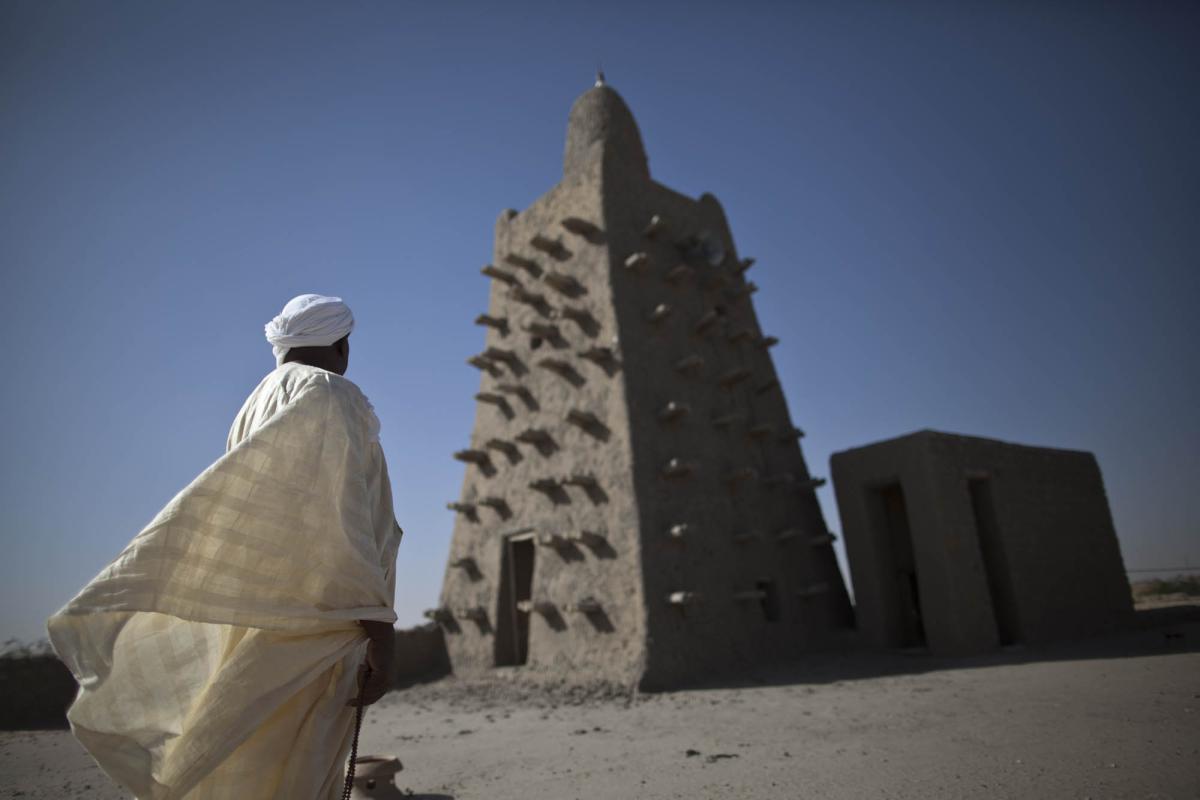
Photo: A devout man in prayer in front of the Djingareyber Mosque minaret in Timbuktu, a powerful symbol of the resilience of the local community. Through heritage preservation measures, the TFV programme helped restore sites of profound cultural and spiritual significance to Muslim populations, and which were destroyed in attacks taking place between 30 June and 11 July in 2012. Credit: MINUSMA/Marco Dormino.

On the occasion of the 14th anniversary of the attacks against the Mausoleums in Timbuktu, Mali, the Trust Fund for Victims (TFV) at the International Criminal Court (ICC) is pleased to inform that it has completed the implementation of the reparations programme in the case of The Prosecutor v. Ahmad Al Faqi Al Mahdi. The reparations delivered mark a historic milestone for the victims and community of Timbuktu and a landmark in the practice of international criminal justice.

Between 30 June and 11 July 2012, while Timbuktu was under the control of armed groups affiliated with al-Qaeda, Mr Al Faqi Al Mahdi organised and took part in attacks on ten of the most important sites, including the mausoleums of Timbuktu's saints and the Sidi Yahia Mosque. The mausoleums had long been places of pilgrimage and considered to spiritually protect the city.  Timbuktu was inscribed on the UNESCO World Heritage List in 1988 for its role in the spread of Islam in Africa and as a historic centre of learning.

In 2015, Mr Al Mahdi was surrendered to the Court and convicted for the war crime of   intentionally directing attacks against historic and religious monuments in Timbuktu in 2012. In addition to a sentence of nine years of imprisonment, on 17 August 2017 ICC judges instructed him to pay EUR 2.7 million for reparations to the victims recognised in this case. 

As of 31 March 2026, the TFV has fully implemented the reparations programme in accordance with the Reparations Order. This completion was formally communicated to ICC Trial Chamber II on 29 April 2026 and to the Government of Mali on 6 May 2026. 

The Al Mahdi Reparations Programme comprised three principal components: symbolic, individual, and collective reparations.

Symbolic measures to address the impact that the crimes of Mr Al Mahdi had on the Malian people and the international community were implemented through a solemn ceremony held on 30 March 2021, in the presence of representatives of this group of victims, the State of Mali and UNESCO, respectively.

Individual reparations were provided in the form of financial compensation to eligible individuals — namely direct descendants of Saints associated with the destroyed mausoleums, as well as persons whose livelihoods were exclusively dependent on these protected buildings. This component commenced in April 2019 and was finalised on 4 June 2024, reaching all but four of the 1,691 eligible victims.


A comprehensive framework of collective reparations was put in place for the benefit of the community of Timbuktu, recognised as victims of moral and economic harm, as well as to address the damage to cultural heritage. Delivered between July 2022 and 31 March 2026, these measures benefited more than 70,000 members of the local communities of Timbuktu. These measures were implemented in partnership with UNESCO, CIDEAL Foundation, and the local organisation CFOGRAD, which worked with determination over the past five years to make the programme successful.

Measures addressing moral harm were delivered by combining community-based psychological support and memorialisation initiatives, including the construction of two memorials in Timbuktu: Louha and Qâloum, as well as a permanent exhibit on mausoleums displayed at the municipal museum of Timbuktu. Economic harm was addressed at the community level through a funding mechanism that supported 70 initiatives led by local groups, in addition to three projects implemented by the Urban Commune, aimed at strengthening livelihoods, skills, and cultural heritage. Heritage preservation measures included the restoration and protection of mausoleums and cemetery structures, environmental safeguards, capacity-building for local custodians, and the establishment of a maintenance fund to ensure long-term sustainability.

The programme was designed with strong features aligned with the ICC Reparation Principles, including a participatory mechanism, and the integration of conflict sensitivity. The programme’s feminist approach has also guaranteed a systematic focus on women, illustrating the best of contemporary justice. Victim participation remained at the heart of the programme. Extensive consultations ensured that reparations were shaped by those directly affected, reinforcing inclusivity, transparency and local ownership throughout implementation. 

“I am filled with joy, satisfaction, and honour. These reparations—beyond the various achievements—are a symbol; a symbol that allows us to tell our children what we have experienced, a symbol that illustrates the greatness of Timbuktu, and a symbol that reminds us that this crime must never, ever happen again,” declared Fatoumata A (Pseudonym), a resident of Timbuktu who participated in the reparation activities.

The completion of this programme in a highly challenging and evolving security context underscores the resilience of the Rome Statute system.

Implementation was made possible thanks to a close and constructive cooperation between the TFV and the Malian authorities over a period of seven years, through steering committees established at national, regional and local levels.

Mr Andres Parmas, Chairperson of the TFV Board of Directors stated, “This programme constitutes a landmark in the practice of international criminal justice, marking the first instance at the global level of judicial reparations for the war crime of intentionally directing attacks against protected religious and historic buildings. It demonstrates the relevance of the Rome Statute system in holding perpetrators accountable for such crimes and in delivering meaningful reparative justice to victims and affected communities, while safeguarding cultural heritage of universal significance."

The reparations delivered were made possible by earmarked contributions from the Governments of Canada, Germany, Italy, Norway, and the United Kingdom. Unrestricted contributions from the Czech Republic, Dominican Republic, Liechtenstein, and other supporters were allocated by the Board of Directors to this case. Assessed contributions from all States Parties to the ICC Regular Budget enabled the judicial process and essential programmatic components, including staffing, travel, and operational support.

To prepare the final report for submission to the relevant Trial Chamber in early 2027, the TFV has commissioned an independent external evaluation to assess the contribution of reparations to peace and security, memory, truth, and justice.

As the TFV announces publicly the completion of the Reparation Programme, on the occasion of the 14th anniversary of the attack against Timbuktu it regrets the notification made by the State of Mali to the United Nations on 30 June 2026 to withdraw from the Rome Statute. This decision weakens the system of reparative justice that has benefited the community of Timbuktu. The TFV will continue to engage with the authorities of Mali to maximise the impact of the Al Mahdi reparations, as well as to set the conditions that may enable the implementation of reparations ordered by the ICC in relation to the crime of religious persecution, amongst other crimes related to the Al Hassan case.

The TFV remains committed to ensuring that the achievements of this programme are widely disseminated and preserved, thereby strengthening the relevance, legitimacy, and enduring legacy and the universality of the Rome Statute system.


For more information about the Trust Fund for Victims, please contact 
[email protected] or visit www.trustfundforvictims.org. You can also follow TFV’s activities on XLinkedInBluesky and Facebook


Gallery of Photos

Image
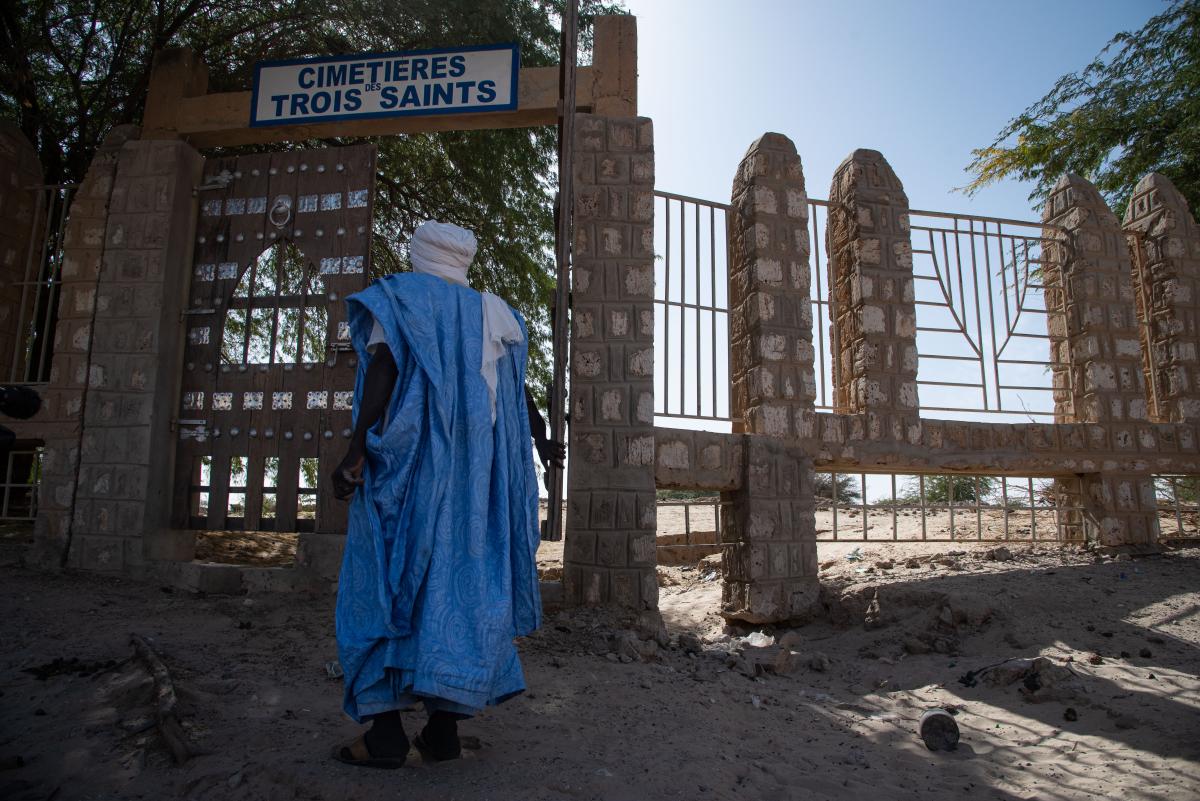
Heritage protection measures implemented by UNESCO, a partner of the Trust Fund for Victims, included the rehabilitation and reconstruction of the boundary walls of the Sidi Mahmoud Ben Omar Mohamed Aquit and Cheick Sidi El Mokhtar Ben Sidi Mouhammad Al Kabir Al Kounti cemeteries, which house several mausoleums, as well as tree planting at the Three Saints and Alpha Moya cemeteries. These measures aim to protect Timbuktu's cultural heritage for future generations. Credit: © Nicolas RÉMÉNÉ
Image
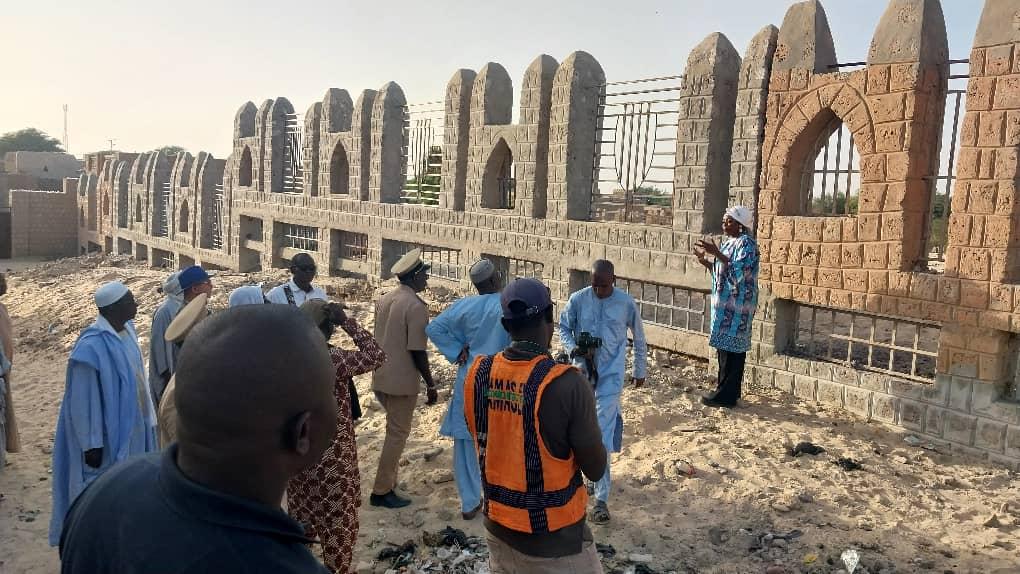
Rehabilitation of a fence of a cemetery hosting destroyed historic mausoleums in Timbuktu addressing the war crime of attacks against protected religious and historic buildings. Credit:  UNESCO- Modibo Bagayoko / 2022
Rehabilitation of a fence of a cemetery hosting destroyed historic mausoleums in Timbuktu addressing the war crime of attacks against protected religious and historic buildings. Credit: UNESCO- Modibo Bagayoko / 2022
Image
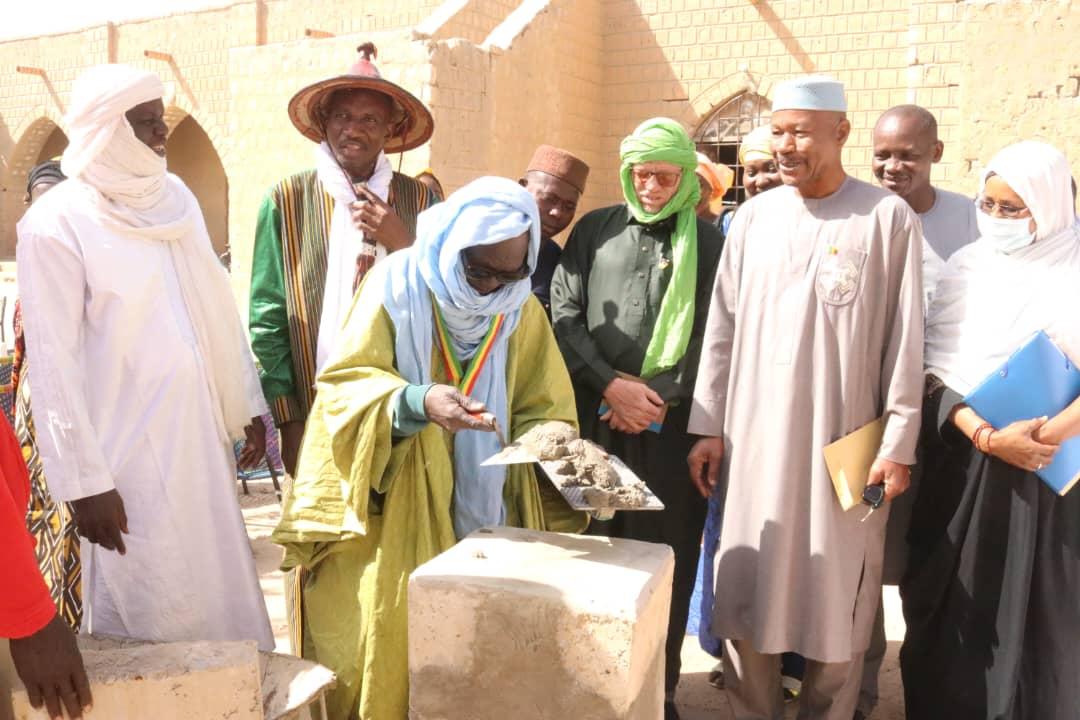
As part of the collective reparations programme implemented by the Trust Fund for Victims, Groundbreaking Ceremony for the Construction of an Additional Wing of the Timbuktu Municipal Museum as part of the memorialisation measure chosen by the community of Timbuktu. Credit: CFOGRAD / TFV 2024.
Image
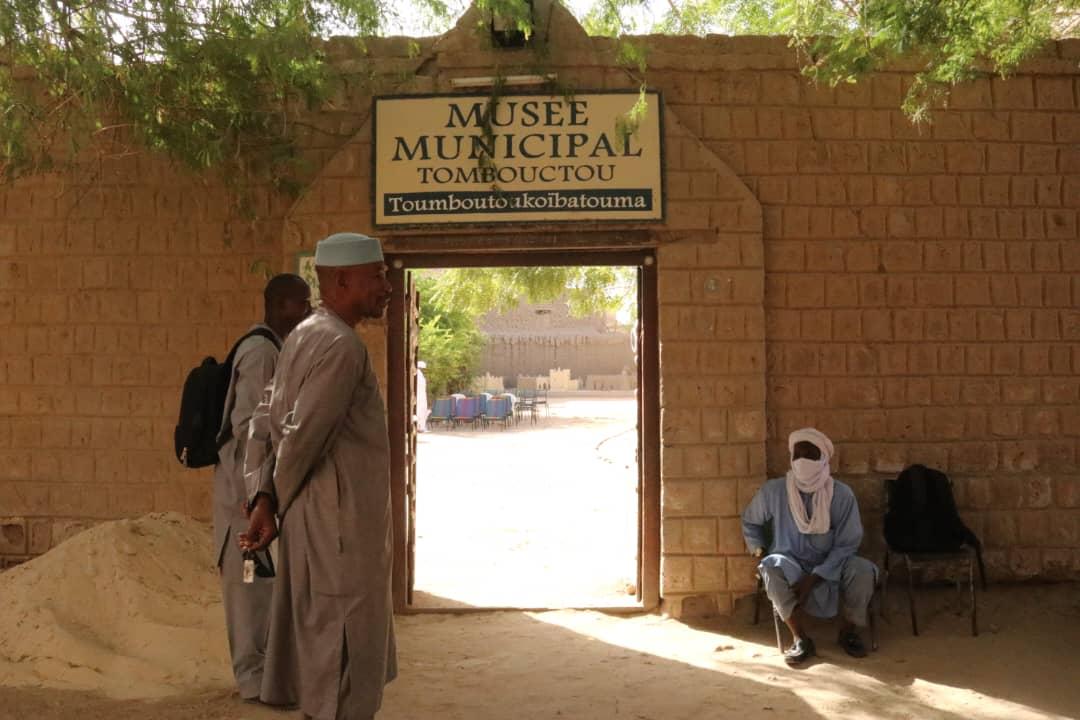
Entrance to the Timbuktu Municipal Museum. As part of the collective reparations programme, the museum was rehabilitated and extended to host a permanent exhibition on Protected Buildings, preserving the memory of the destruction of Timbuktu's mausoleums and historic monuments and educating future generations about their cultural and spiritual significance. Credit: Hameye Toure /TFV 2022.
Image
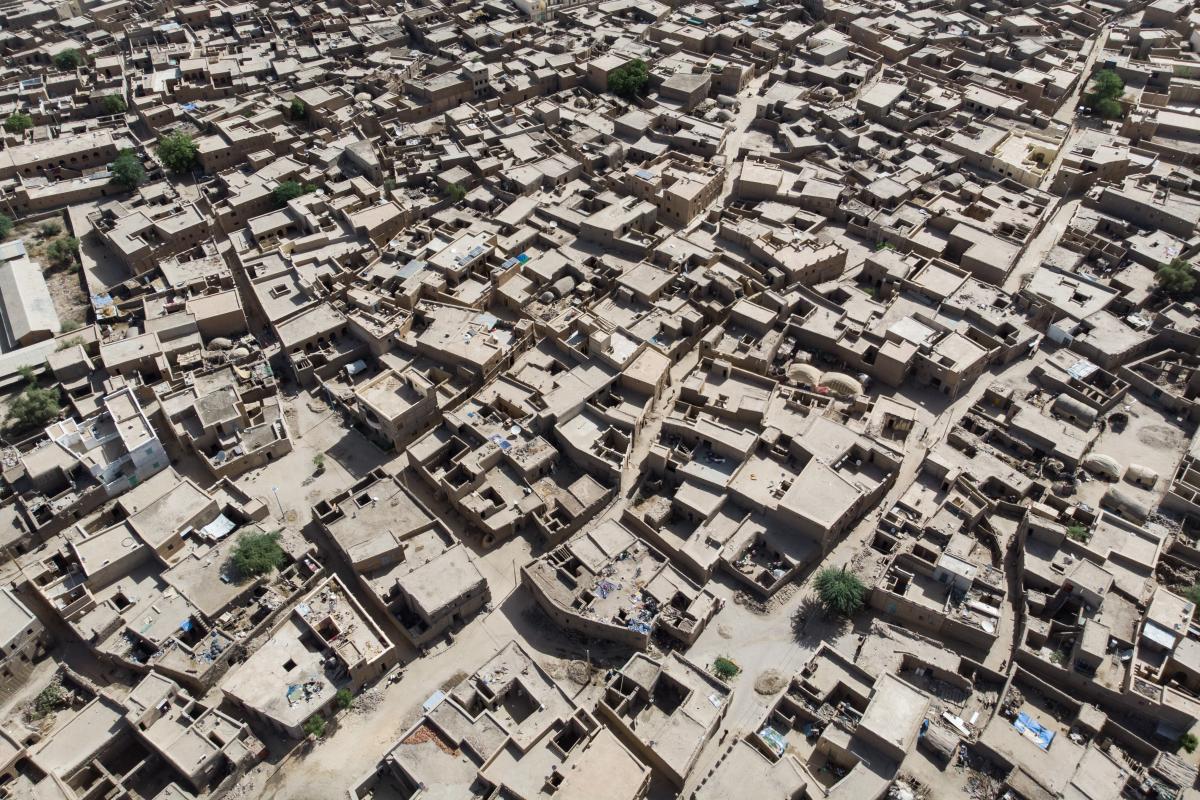
Aerial view of Timbuktu, home to more than 70,000 members of the community who benefited from the reparations programme implemented by the Trust Fund for Victims in the Ahmad Al Faqi Al Mahdi case. Credit: Nicolas Reméné/ 2021.
Image
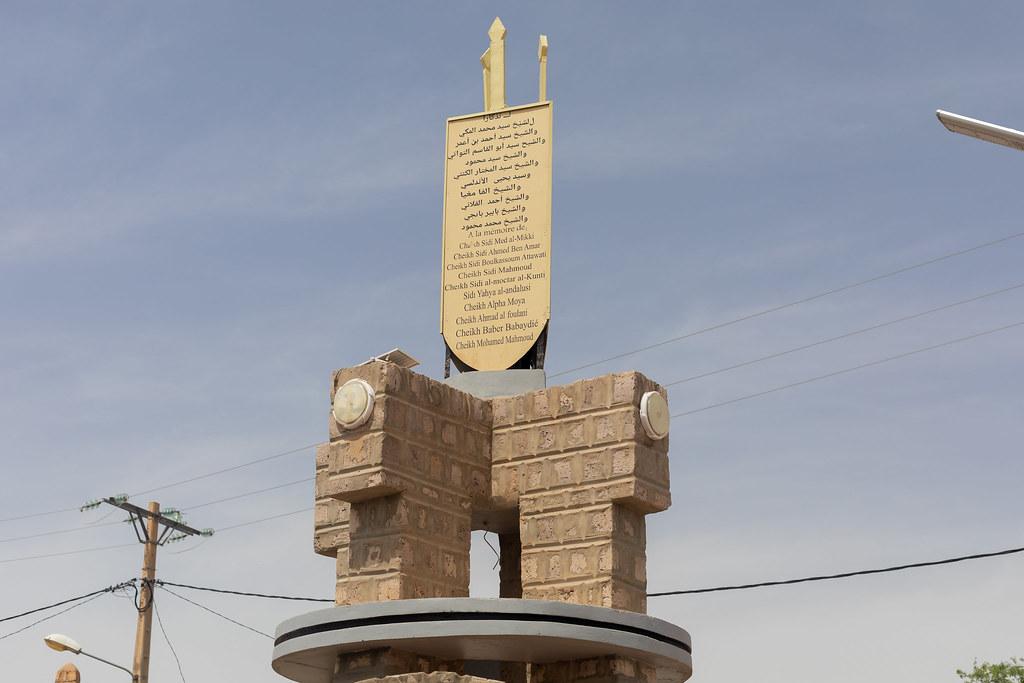
The Louha memorial, inaugurated in Timbuktu in October 2024, commemorates the victims of crimes committed in 2012. Named after the Arabic word for the Koranic tablet, the monument symbolises the resilience of the Timbuktu community and forms part of the memorialisation measures implemented under the reparations programme. Credit: Hameye Touré / TFV 2024.
Image
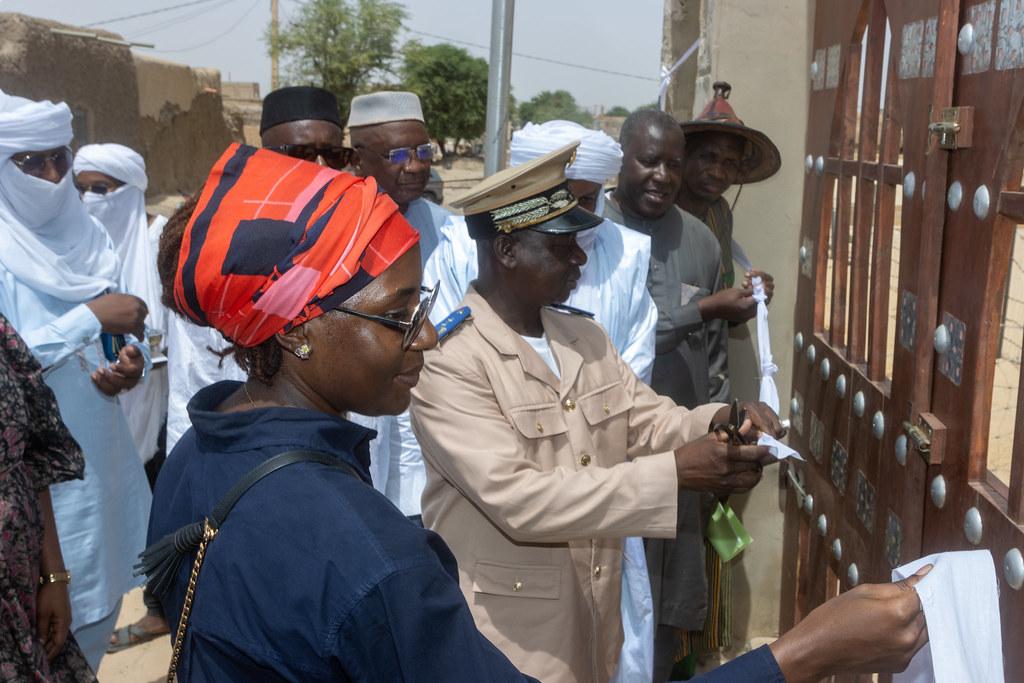
Representatives of the Government of Mali, the Trust Fund for Victims and implementing partners inaugurate in October 2024 the protective enclosure of the Cheick Sidi El Mokhtar El Kounti cemetery in Timbuktu as part of the collective reparations programme in the Al Mahdi case. Credit: Hameye Touré / TFV 2024
Image
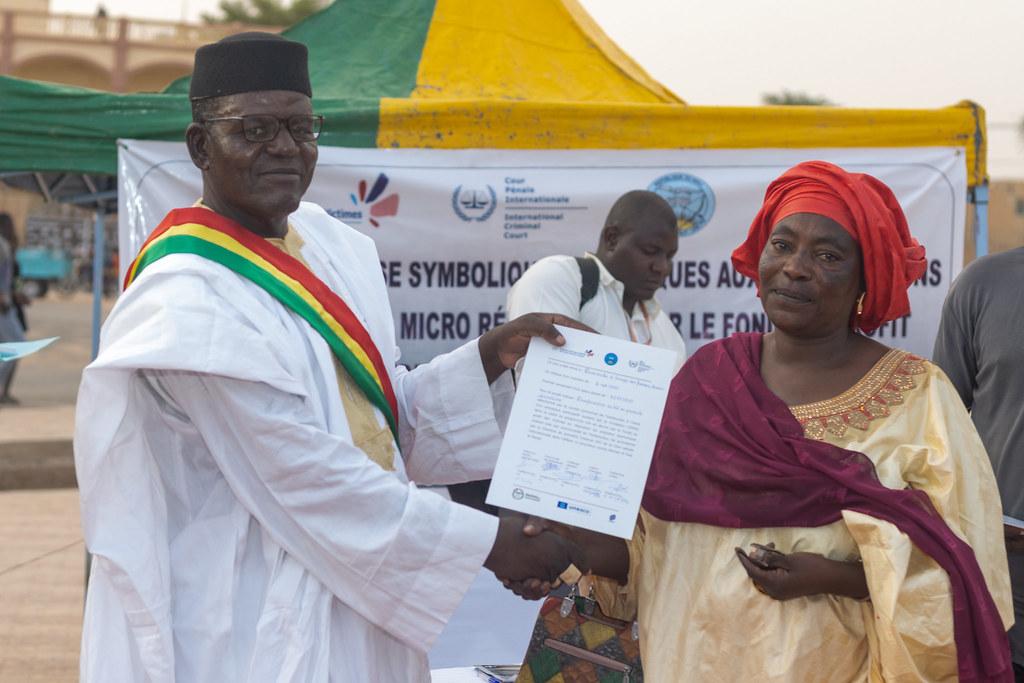
In October 2024, the Trust Fund for Victims formally handed over key collective reparations measures to the community of Timbuktu with the participation of the Mayor, marking an important milestone in the implementation of reparations ordered by the ICC in the Al Mahdi case. Credit: Hameye Touré / TFV 2024.
Image
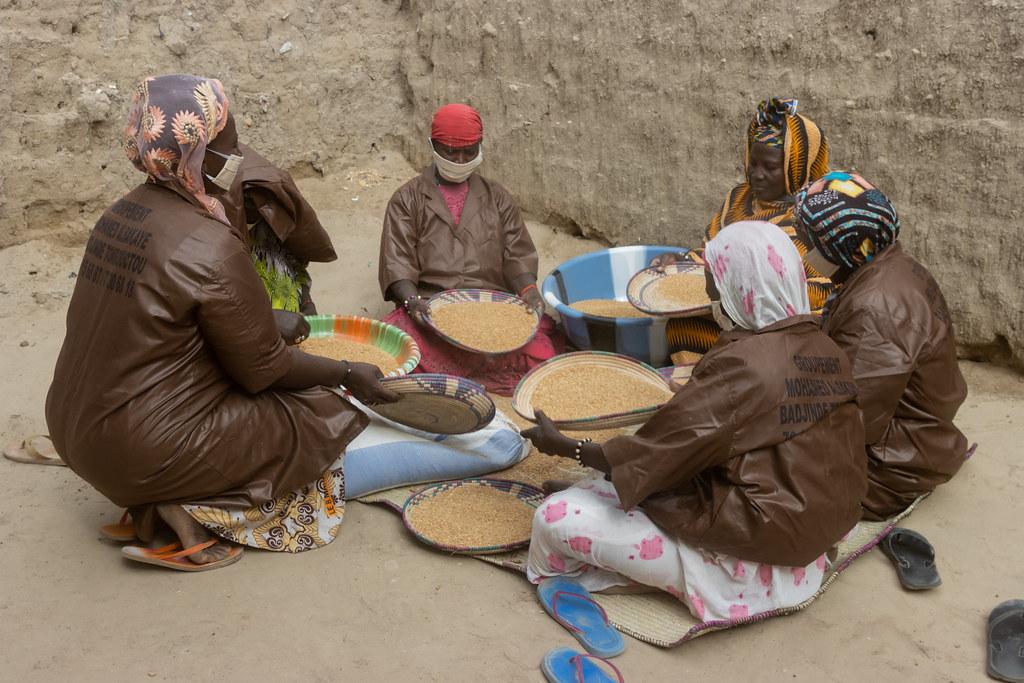
Handcraft workshop supported under the economic reparations component of the Al Mahdi reparations programme, aimed at strengthening livelihoods and promoting community recovery in Timbuktu. Credit: Hameye Touré / TFV 2024.


Foto: Un fiel reza frente al minarete de la mezquita de Djingareyber en Tombuctú, un poderoso símbolo de la resiliencia de la comunidad local. A través de medidas de preservación del patrimonio, el programa del FFBV contribuyó a restaurar lugares de profundo significado cultural y espiritual para las poblaciones musulmanas, destruidos en los ataques ocurridos entre el 30 de junio y el 11 de julio de 2012. Crédito: MINUSMA/Marco Dormino.

Con motivo del 14.º aniversario de los ataques contra los mausoleos de Tombuctú, Malí, el Fondo Fiduciario en beneficio de las Víctimas (FFBV) en la Corte Penal Internacional (CPI) tiene el placer de anunciar la finalización de la implementación del programa de reparaciones en el caso El Fiscal c. Ahmad Al Faqi Al Mahdi. Las reparaciones otorgadas marcan un hito histórico para las víctimas y la comunidad de Tombuctú, así como un referente en la práctica de la justicia penal internacional.

Entre el 30 de junio y el 11 de julio de 2012, mientras Tombuctú se encontraba bajo el control de grupos armados afiliados a Al Qaeda, el señor Al Faqi Al Mahdi organizó y participó en ataques contra diez de los sitios más importantes de la ciudad, incluidos los mausoleos de los santos de Tombuctú y la mezquita de Sidi Yahia. Los mausoleos habían sido durante mucho tiempo lugares de peregrinación y se consideraba que protegían espiritualmente a la ciudad. Tombuctú fue inscrita en la Lista del Patrimonio Mundial de la UNESCO en 1988 por su papel en la propagación del islam en África y como antiguo centro de saber.

En 2015, el señor Al Mahdi fue entregado a la Corte y condenado por el crimen de guerra de dirigir intencionalmente ataques contra monumentos históricos y religiosos en Tombuctú en 2012. Además de una pena de nueve años de prisión, el 17 de agosto de 2017 los jueces de la CPI le ordenaron pagar 2,7 millones de euros en concepto de reparaciones a las víctimas reconocidas en esta causa.

A 31 de marzo de 2026, el FFBV ha implementado en su totalidad el programa de reparaciones conforme a la Orden de Reparaciones. Esta finalización fue comunicada formalmente a la Sala de Primera Instancia II de la CPI el 29 de abril de 2026, y al Gobierno de Malí el 6 de mayo de 2026.

El Programa de Reparaciones Al Mahdi comprendió tres componentes principales: reparaciones simbólicas, individuales y colectivas.

Las medidas simbólicas destinadas a abordar el impacto de los crímenes del señor Al Mahdi sobre el pueblo maliense y la comunidad internacional se implementaron mediante una ceremonia solemne celebrada el 30 de marzo de 2021, en presencia de representantes de este grupo de víctimas, del Estado de Malí y de la UNESCO, respectivamente.

Las reparaciones individuales se otorgaron en forma de compensación financiera a las personas elegibles, es decir, los descendientes directos de los santos vinculados a los mausoleos destruidos, así como las personas cuyos medios de subsistencia dependían exclusivamente de estos edificios protegidos. Este componente se inició en abril de 2019 y culminó el 4 de junio de 2024, llegando a la totalidad de las 1.691 víctimas elegibles, salvo cuatro.

Se estableció asimismo un marco integral de reparaciones colectivas en beneficio de la comunidad de Tombuctú, reconocida como víctima de daño moral y económico, así como para reparar el daño causado al patrimonio cultural. Implementadas entre julio de 2022 y el 31 de marzo de 2026, estas medidas beneficiaron a más de 70.000 miembros de las comunidades locales de Tombuctú. Se llevaron a cabo en colaboración con la UNESCO, la Fundación CIDEAL y la organización local CFOGRAD, que trabajaron con determinación durante los últimos cinco años para asegurar el éxito del programa.

Las medidas destinadas a reparar el daño moral se implementaron combinando apoyo psicosocial comunitario e iniciativas de memoria, entre ellas la construcción de dos memoriales en Tombuctú —Louha y Qâloum— y una exposición permanente sobre los mausoleos en el museo municipal de Tombuctú. El daño económico se abordó a nivel comunitario mediante un mecanismo de financiación que respaldó 70 iniciativas lideradas por grupos locales, además de tres proyectos ejecutados por la Comuna Urbana, orientados a fortalecer los medios de subsistencia, las capacidades y el patrimonio cultural. Las medidas de preservación del patrimonio incluyeron la restauración y protección de mausoleos y estructuras funerarias, salvaguardas ambientales, el fortalecimiento de capacidades de los custodios locales y la creación de un fondo de mantenimiento para garantizar la sostenibilidad a largo plazo.

El programa se diseñó conforme a los principios de reparación de la CPI, incorporando un mecanismo participativo y una perspectiva de sensibilidad al conflicto. Su enfoque feminista garantizó además una atención sistemática a las mujeres, en lo que constituye un ejemplo destacado de la justicia contemporánea. La participación de las víctimas estuvo en el centro del programa: amplias consultas garantizaron que las reparaciones fueran definidas por las personas directamente afectadas, reforzando la inclusión, la transparencia y la apropiación local a lo largo de toda la implementación.

"Siento alegría, satisfacción y honor. Estas reparaciones, más allá de los distintos logros alcanzados, son un símbolo: un símbolo que nos permite contarles a nuestros hijos lo que hemos vivido, un símbolo que ilustra la grandeza de Tombuctú, y un símbolo que nos recuerda que este crimen no debe volver a ocurrir jamás", declaró Fatoumata A. (seudónimo), residente de Tombuctú que participó en las actividades de reparación.

La finalización de este programa, en un contexto de seguridad sumamente difícil y cambiante, pone de relieve la resiliencia del sistema del Estatuto de Roma.

La implementación fue posible gracias a una cooperación estrecha y constructiva entre el FFBV y las autoridades malienses a lo largo de siete años, a través de comités de coordinación establecidos a nivel nacional, regional y local.

El señor Andres Parmas, presidente del Consejo de Dirección del FFBV, declaró: "Este programa constituye un hito en la práctica de la justicia penal internacional, al marcar la primera reparación judicial a nivel mundial por el crimen de guerra de dirigir intencionalmente ataques contra edificios religiosos e históricos protegidos. Demuestra la pertinencia del sistema del Estatuto de Roma para responsabilizar a los perpetradores de estos crímenes y para ofrecer una justicia reparadora significativa a las víctimas y comunidades afectadas, al tiempo que se salvaguarda un patrimonio cultural de importancia universal."

Las reparaciones otorgadas fueron posibles gracias a las contribuciones específicas de los Gobiernos de Canadá, Alemania, Italia, Noruega y el Reino Unido. Las contribuciones no restringidas de la República Checa, República Dominicana, Liechtenstein y otros donantes fueron asignadas a esta causa por el Consejo de Dirección. Las contribuciones prorrateadas de todos los Estados parte de la CPI al presupuesto ordinario permitieron sufragar el proceso judicial y los componentes programáticos esenciales, incluidos el personal, los viajes y el apoyo operativo.

El FFBV ha encargado una evaluación externa independiente sobre la contribución de las reparaciones a la paz y la seguridad, la memoria, la verdad y la justicia, cuyos resultados alimentarán el informe final que se presentará a la Sala de Primera Instancia correspondiente a comienzos de 2027.

Al anunciar públicamente la finalización del Programa de Reparaciones, con motivo del 14.º aniversario del ataque contra Tombuctú, el FFBV lamenta la notificación realizada por el Estado de Malí a las Naciones Unidas el 30 de junio de 2026 para retirarse del Estatuto de Roma. Esta decisión debilita el sistema de justicia reparadora del que se ha beneficiado la comunidad de Tombuctú. El FFBV continuará colaborando con las autoridades de Malí para maximizar el impacto de las reparaciones Al Mahdi, así como para sentar las condiciones que permitan la implementación de las reparaciones ordenadas por la CPI en relación con el crimen de persecución religiosa, entre otros crímenes relacionados con el caso Al Hassan.

El FFBV mantiene su compromiso de difundir y preservar ampliamente los logros de este programa, reforzando así la pertinencia, la legitimidad y el legado perdurable del sistema del Estatuto de Roma, así como su carácter universal.


Para más información sobre el Fondo Fiduciario en beneficio de las Víctimas, escriba a [email protected] o visite www.trustfundforvictims.org. También puede seguir las actividades del FFBV en:  XLinkedInBluesky Facebook.


Galería fotográfica

Image
Heritage protection measures implemented by UNESCO, a partner of the Trust Fund for Victims, included the rehabilitation and reconstruction of the boundary walls of the Sidi Mahmoud Ben Omar Mohamed Aquit and Cheick Sidi El Mokhtar Ben Sidi Mouhammad Al Kabir Al Kounti cemeteries, which house several mausoleums, as well as tree planting at the Three Saints and Alpha Moya cemeteries. These measures aim to protect Timbuktu's cultural heritage for future generations. Credit: © Nicolas RÉMÉNÉ
Las medidas de protección del patrimonio implementadas por la UNESCO, socio implementador del Fondo Fiduciario en beneficio de las Víctimas, incluyeron la rehabilitación y reconstrucción de los muros perimetrales de los cementerios Sidi Mahmoud Ben Omar Mohamed Aquit y Cheick Sidi El Mokhtar Ben Sidi Mouhammad Al Kabir Al Kounti, que albergan varios mausoleos, así como la plantación de árboles en los cementerios de Three Saints y Alpha Moya. Estas medidas tienen como objetivo proteger el patrimonio cultural de Tombuctú para las generaciones futuras. Crédito: © Nicolas RÉMÉNÉ
Image
Rehabilitation of a fence of a cemetery hosting destroyed historic mausoleums in Timbuktu addressing the war crime of attacks against protected religious and historic buildings. Credit:  UNESCO- Modibo Bagayoko / 2022
Rehabilitation of a fence of a cemetery hosting destroyed historic mausoleums in Timbuktu addressing the war crime of attacks against protected religious and historic buildings. Credit: UNESCO- Modibo Bagayoko / 2022
Rehabilitación del cercado de un cementerio que alberga mausoleos históricos destruidos en Tombuctú, en respuesta al crimen de guerra de ataques contra edificios religiosos e históricos protegidos. Crédito: UNESCO – Modibo Bagayoko / 2022
Image
As part of the collective reparations programme implemented by the Trust Fund for Victims, Groundbreaking Ceremony for the Construction of an Additional Wing of the Timbuktu Municipal Museum as part of the memorialisation measure chosen by the community of Timbuktu. Credit: CFOGRAD / TFV 2024.
En el marco del programa de reparaciones colectivas implementado por el Fondo Fiduciario en beneficio de las Víctimas, ceremonia de colocación de la primera piedra para la construcción de un ala adicional del Museo Municipal de Tombuctú, como parte de la medida de memorialización elegida por la comunidad de Tombuctú. Crédito: CFOGRAD / FFBV 2024.
Image
Entrance to the Timbuktu Municipal Museum. As part of the collective reparations programme, the museum was rehabilitated and extended to host a permanent exhibition on Protected Buildings, preserving the memory of the destruction of Timbuktu's mausoleums and historic monuments and educating future generations about their cultural and spiritual significance. Credit: Hameye Toure /TFV 2022.
Entrada al Museo Municipal de Tombuctú. En el marco del programa de reparaciones colectivas, el museo fue rehabilitado y ampliado para albergar una exposición permanente sobre los Edificios Protegidos, preservando la memoria de la destrucción de los mausoleos y monumentos históricos de Tombuctú y educando a las generaciones futuras sobre su significado cultural y espiritual. Crédito: Hameye Touré / FFBV 2022.
Image
Aerial view of Timbuktu, home to more than 70,000 members of the community who benefited from the reparations programme implemented by the Trust Fund for Victims in the Ahmad Al Faqi Al Mahdi case. Credit: Nicolas Reméné/ 2021.
Vista aérea de Tombuctú, hogar de más de 70.000 miembros de la comunidad beneficiados por el programa de reparaciones implementado por el Fondo Fiduciario en beneficio de las Víctimas en el caso Ahmad Al Faqi Al Mahdi. Crédito: Nicolas Reméné / 2021.
Image
The Louha memorial, inaugurated in Timbuktu in October 2024, commemorates the victims of crimes committed in 2012. Named after the Arabic word for the Koranic tablet, the monument symbolises the resilience of the Timbuktu community and forms part of the memorialisation measures implemented under the reparations programme. Credit: Hameye Touré / TFV 2024.
El memorial Louha, inaugurado en Tombuctú en octubre de 2024, conmemora a las víctimas de los crímenes cometidos en 2012. Su nombre, que hace referencia a la palabra árabe para la tablilla coránica, simboliza la resiliencia de la comunidad de Tombuctú y forma parte de las medidas de memorialización implementadas en el marco del programa de reparaciones. Crédito: Hameye Touré / FFBV 2024.
Image
Representatives of the Government of Mali, the Trust Fund for Victims and implementing partners inaugurate in October 2024 the protective enclosure of the Cheick Sidi El Mokhtar El Kounti cemetery in Timbuktu as part of the collective reparations programme in the Al Mahdi case. Credit: Hameye Touré / TFV 2024
Representantes del Gobierno de Malí, del Fondo Fiduciario en beneficio de las Víctimas y de las organizaciones asociadas inauguran en octubre de 2024 el cercado de protección del cementerio Cheick Sidi El Mokhtar El Kounti en Tombuctú, en el marco del programa de reparaciones colectivas del caso Al Mahdi. Crédito: Hameye Touré / FFBV 2024.
Image
In October 2024, the Trust Fund for Victims formally handed over key collective reparations measures to the community of Timbuktu with the participation of the Mayor, marking an important milestone in the implementation of reparations ordered by the ICC in the Al Mahdi case. Credit: Hameye Touré / TFV 2024.
En octubre de 2024, el Fondo Fiduciario en beneficio de las Víctimas hizo entrega formal de las principales medidas de reparación colectiva a la comunidad de Tombuctú, con la participación del alcalde, marcando un hito importante en la implementación de las reparaciones ordenadas por la CPI en el caso Al Mahdi. Crédito: Hameye Touré / FFBV 2024.
Image
Handcraft workshop supported under the economic reparations component of the Al Mahdi reparations programme, aimed at strengthening livelihoods and promoting community recovery in Timbuktu. Credit: Hameye Touré / TFV 2024.
Taller de artesanía apoyado en el marco del componente económico del programa de reparaciones Al Mahdi, orientado a fortalecer los medios de subsistencia y promover la recuperación comunitaria en Tombuctú. Crédito: Hameye Touré / FFBV 2024.


El Fondo Fiduciario en beneficio de las Víctimas en la CPI concluye el programa de reparaciones en Malí en el caso Al Mahdi
الصورة: رجلٌ خاشع في صلاته أمام مئذنة مسجد جينغاريبر في تمبكتو، وهو رمزٌ قوي لصمود المجتمع المحلي. فمن خلال تدابير الحفاظ على التراث، ساهم برنامج الصندوق الاستئماني للضحايا في ترميم مواقع ذات أهمية ثقافية وروحية عميقة لدى السكان المسلمين، كانت قد دُمِّرت في الهجمات التي وقعت بين 30 يونيو و11 يوليو 2012. المصدر: بعثة الأمم المتحدة المتكاملة المتعددة الأبعاد لتحقيق الاستقرار في مالي (مينوسماMINUSMA)/ماركو دورمينو.

بمناسبة الذكرى الرابعة عشرة للهجمات على أضرحة تمبكتو في مالي، يسرّ الصندوق الاستئماني للضحايا التابع للمحكمة الجنائية الدولية أن يُعلن أنه أكمل تنفيذ برنامج جبر الأضرار في قضية المدعي العام ضد أحمد الفقي المهدي. وتُمثّل التعويضات المقدَّمة مَعلَماً تاريخياً لضحايا تمبكتو ومجتمعها، وعلامةً فارقة في ممارسة العدالة الجنائية الدولية.

ففي الفترة بين 30 يونيوو11 يوليو 2012، وبينما كانت تمبكتو تحت سيطرة جماعات مسلحة مرتبطة بتنظيم القاعدة، نظّم السيد الفقي المهدي وشارك في هجمات استهدفت عشرة من أكثر المواقع تبجيلاً، وهي أضرحة أولياء تمبكتو. وكانت هذه الأضرحة منذ زمن بعيد أماكن للزيارة والحج، وكان يُعتقد على نطاق واسع أنها تحمي المدينة روحياً. وقد أُدرجت تمبكتو على قائمة اليونسكو للتراث العالمي (UNESCO World Heritage List)  في عام 1988 لدورها في نشر الإسلام في أفريقيا ولكونها مركزاً تاريخياً للعلم.

وفي عام 2015، سُلِّم السيد المهدي إلى المحكمة وأُدين بجريمة الحرب المتمثلة في تعمُّد توجيه هجمات ضد المعالم التاريخية والدينية في تمبوكتو في عام 2012. وبالإضافة إلى الحكم عليه بالسجن تسع سنوات، أمره قضاة المحكمة الجنائية الدولية في 17 أغسطس 2017 بدفع 2.7 مليون يورو تعويضاتٍ للضحايا المعترف بهم في هذه القضية.

واعتباراً من 31 مارس 2026، أتمّ الصندوق الاستئماني للضحايا تنفيذ برنامج جبر الأضرار بالكامل وفقاً لأمر جبر الأضرار. وقد أُبلغت الدائرة الابتدائية الثانية للمحكمة الجنائية الدولية رسمياً بهذا الإتمام في 29 أبريل 2026، كما أُبلغت به حكومة مالي في 6 مايو 2026.

وقد تألّف برنامج جبر الأضرار في قضية المهدي من ثلاثة مكوّنات رئيسية: التعويضات الرمزية، والفردية، والجماعية.

فقد نُفِّذت التدابير الرمزية الرامية إلى معالجة أثر جرائم السيد المهدي على الشعب المالي والمجتمع الدولي من خلال احتفال رسمي أُقيم في 30 مارس 2021، بحضور ممثلين عن هذه المجموعة من الضحايا، ودولة مالي، واليونسكو، على التوالي.

تم تقديم التعويضات الفردية على شكل تعويضات مالية للأشخاص المؤهلين — أي الأحفاد المباشرون للأولياء المرتبطين بالقبور المدمرة، وكذلك الأشخاص الذين كانت سبل عيشهم تعتمد بالكامل على هذه المباني المحمية. وقد بدأ هذا الجزء في أبريل 2019 واكتمل في 4 يونيو 2024، وشمل جميع الضحايا المستحقين البالغ عددهم 1691 ضحية باستثناء أربعة منهم.

ووُضع إطار شامل للتعويضات الجماعية لصالح مجتمع تمبكتو، المعترف به ضحيةً للضرر المعنوي والاقتصادي، وكذلك لمعالجة الأضرار التي لحقت بالتراث الثقافي. وقد استفاد من هذه التدابير، التي نُفِّذت بين يوليو 2022 و31 مارس 2026، أكثر من 70,000 فرد من المجتمعات المحلية في تمبكتو. ونُفِّذت هذه التدابير بالشراكة مع اليونسكو، ومؤسسة سيديال (CIDEAL)، والمنظمة المحلية CFOGRAD، التي عملت بعزمٍ على مدى السنوات الخمس الماضية لإنجاح هذا البرنامج.

ونُفِّذت التدابير المتعلقة بمعالجة الضرر المعنوي من خلال الجمع بين الدعم النفسي المجتمعي ومبادرات تخليد الذكرى، بما في ذلك تشييد نُصبَين تذكاريَّين في تمبكتو هما «اللوحة» و«القلم»، فضلاً عن معرض دائم عن الأضرحة أُقيم في المتحف البلدي لتمبكتو. وعولج الضرر الاقتصادي من خلال نظام صُمِّم لتمويل المبادرات ذات القيادة المحلية والمشاريع المجتمعية الرامية إلى تعزيز سبل العيش والمهارات والثقافة. وشملت تدابير الحفاظ على التراث ترميم وحماية الأضرحة وهياكل المقابر، والضمانات البيئية، وبناء قدرات القائمين المحليين على رعايتها، وإنشاء صندوق للصيانة لضمان الاستدامة على المدى الطويل.

وقد صُمِّم البرنامج بخصائص متينة تتماشى مع مبادئ جبر الأضرار للمحكمة الجنائية الدولية، بما في ذلك آلية تشاركية ومراعاة الحساسية تجاه النزاع. كما كفل النهج النسوي للبرنامج تركيزاً منهجياً على النساء، مجسِّداً أفضل ما في العدالة المعاصرة. وظلّت مشاركة الضحايا في صميم البرنامج؛ إذ كفلت المشاورات الواسعة أن تُصاغ التعويضات على أيدي المتضررين مباشرةً، بما يعزز الشمول والشفافية والملكية المحلية طوال مراحل التنفيذ.

" أشعر بفرحٍ ورضاً وفخرٍ يملأ قلبي. فهذه التعويضات — بما يتجاوز مختلف الإنجازات — هي رمز؛ رمزٌ يتيح لنا أن نروي لأبنائنا ما عشناه، ورمزٌ يجسّد عظمة تمبكتو، ورمزٌ يذكّرنا بأن هذه الجريمة يجب ألا تتكرر أبداً، أبداً»، هكذا صرّحت فاطوماتا أ.، وهي من سكان تمبكتو شاركت في أنشطة جبر الأضرار".

ويؤكد إتمام هذا البرنامج، في سياق أمني بالغ الصعوبة والتغير، على صمود نظام روما الأساسي.

تم تنفيذ هذا بفضل التعاون الوثيق والبنّاء بين الصندوق الاستئماني للضحايا والسلطات المالية على مدى سبع سنوات، من خلال لجان توجيهية أُنشئت على المستويات الوطنية والإقليمية والمحلية.

صرّح السيد أندريس بارماس، رئيس مجلس إدارة الصندوق الاستئماني للضحايا، قائلاً: "يشكّل هذا البرنامج علامةً فارقة في ممارسة العدالة الجنائية الدولية، إذ يمثّل أول حالة على المستوى العالمي لتعويضات قضائية عن جريمة الحرب المتمثلة في تعمُّد توجيه هجمات ضد المباني الدينية والتاريخية المحمية. وهو يبرهن على وجاهة نظام روما الأساسي في محاسبة مرتكبي هذه الجرائم، وفي تحقيق عدالة تعويضية فعلية للضحايا والمجتمعات المتضررة، مع الحفاظ على التراث الثقافي ذي الأهمية العالمية."

تم تسليم التعويضات بفضل المساهمات المخصصة المقدّمة من حكومات كندا وألمانيا وإيطاليا والنرويج والمملكة المتحدة. وخصّص مجلس الإدارة لهذه القضية مساهمات غير مقيَّدة مقدّمة من جمهورية التشيك وجمهورية الدومينيكان وليختنشتاين وجهات داعمة أخرى. كما مكّنت المساهمات المقدّمة من جميع الدول الأطراف في إطار الميزانية العادية للمحكمة الجنائية الدولية من إجراء العملية القضائية وتوفير المكوّنات البرنامجية الأساسية، بما في ذلك الموظفون والسفر والدعم التشغيلي.

لإعداد التقرير النهائي وتقديمه إلى الدائرة الابتدائية المختصة في مطلع عام 2027، كلّف الصندوق الاستئماني للضحايا جهةً خارجية مستقلة بإجراء تقييم لقياس مساهمة التعويضات في السلام والأمن، والذاكرة، والحقيقة، والعدالة.

وإذ يُعلن الصندوق الاستئماني للضحايا على إتمامَ برنامج جبر الأضرار بمناسبة الذكرى الرابعة عشرة للهجوم على تمبكتو، يُعرب عن أسفه للإخطار الذي وجّهته دولة مالي إلى الأمم المتحدة في 30 يونيو 2026 بشأن انسحابها من نظام روما الأساسي. هذا القرار يُضعف نظام العدالة التعويضية الذي استفاد منه مجتمع تمبكتو. سيواصل الصندوق العمل مع السلطات المالية من أجل تعظيم أثر تعويضات قضية المهدي، ومن أجل تهيئة الظروف التي قد تتيح تنفيذ التعويضات التي أمرت بها المحكمة الجنائية الدولية فيما يتعلق بجريمة الاضطهاد الديني، ضمن جرائم أخرى تتصل بقضية الحسن.

ويظل الصندوق الاستئماني للضحايا ملتزماً بضمان نشر إنجازات هذا البرنامج على نطاق واسع والحفاظ عليها، بما يعزز وجاهة نظام روما الأساسي وشرعيته وإرثه الدائم وطابعه العالمي.

لمزيد من المعلومات عن الصندوق الاستئماني للضحايا، يُرجى التواصل عبر البريد الإلكتروني [email protected] أو زيارة الموقع www.trustfundforvictims.org. ويمكنكم أيضاً متابعة أنشطة الصندوق على منصات إكس (X) ولينكد إن وبلوسكاي وفيسبوك.

معرض الصور

Image
Heritage protection measures implemented by UNESCO, a partner of the Trust Fund for Victims, included the rehabilitation and reconstruction of the boundary walls of the Sidi Mahmoud Ben Omar Mohamed Aquit and Cheick Sidi El Mokhtar Ben Sidi Mouhammad Al Kabir Al Kounti cemeteries, which house several mausoleums, as well as tree planting at the Three Saints and Alpha Moya cemeteries. These measures aim to protect Timbuktu's cultural heritage for future generations. Credit: © Nicolas RÉMÉNÉ
;شملت إجراءات حماية التراث التي نفّذتها اليونسكو، شريكة الصندوق الاستئماني للضحايا، إعادة تأهيل وإعادة بناء الأسوار المحيطة بمقبرتَي سيدي محمود بن عمر محمد أقيت والشيخ سيدي المختار بن سيدي محمد الكبير الكنتي، اللتين تضمّان عدة أضرحة، فضلاً عن غرس الأشجار في مقبرتَي الأولياء الثلاثة وألفا مويا. وتهدف هذه التدابير إلى حماية التراث الثقافي لتمبكتو من أجل الأجيال القادمة. المصدر: © نيكولا ريميني.
Image
Rehabilitation of a fence of a cemetery hosting destroyed historic mausoleums in Timbuktu addressing the war crime of attacks against protected religious and historic buildings. Credit:  UNESCO- Modibo Bagayoko / 2022
Rehabilitation of a fence of a cemetery hosting destroyed historic mausoleums in Timbuktu addressing the war crime of attacks against protected religious and historic buildings. Credit: UNESCO- Modibo Bagayoko / 2022
ترميم سور مقبرة تضم أضرحة تاريخية مدمرة في تمبكتو، في إطار معالجة جريمة الحرب المتمثلة في الهجمات على المباني الدينية والتاريخية المحمية. المصدر: اليونسكو – موديبو باغايوكو / 2022.
Image
As part of the collective reparations programme implemented by the Trust Fund for Victims, Groundbreaking Ceremony for the Construction of an Additional Wing of the Timbuktu Municipal Museum as part of the memorialisation measure chosen by the community of Timbuktu. Credit: CFOGRAD / TFV 2024.
;كجزء من برنامج التعويضات الجماعية الذي ينفذه الصندوق الاستئماني للضحايا، تم إقامة حفل وضع حجر الأساس لبناء جناح إضافي لمتحف تمبكتو البلدي كجزء من إجراء التذكار الذي اختارته مجتمع تمبكتو. المصدر: CFOGRAD / الصندوق الاستئماني للضحايا 2024.
Image
Entrance to the Timbuktu Municipal Museum. As part of the collective reparations programme, the museum was rehabilitated and extended to host a permanent exhibition on Protected Buildings, preserving the memory of the destruction of Timbuktu's mausoleums and historic monuments and educating future generations about their cultural and spiritual significance. Credit: Hameye Toure /TFV 2022.
;مدخل متحف تمبكتو البلدي. في إطار برنامج التعويضات الجماعية، أُعيد تأهيل المتحف وتوسيعه لاستضافة معرض دائم عن المباني المحمية، يحفظ ذاكرة تدمير أضرحة تمبكتو ومعالمها التاريخية، ويعرّف الأجيال القادمة بأهميتها الثقافية والروحية. المصدر: حامي توري / الصندوق الاستئماني للضحايا 2022.
Image
Aerial view of Timbuktu, home to more than 70,000 members of the community who benefited from the reparations programme implemented by the Trust Fund for Victims in the Ahmad Al Faqi Al Mahdi case. Credit: Nicolas Reméné/ 2021.
;منظر جوي لتمبكتو، موطن لأكثر من 70,000 فرد من أبناء المجتمعات المحلية الذين استفادوا من برنامج جبر الأضرار الذي نفّذه الصندوق الاستئماني للضحايا في قضية أحمد الفقي المهدي. المصدر: نيكولا ريميني / 2021.
Image
The Louha memorial, inaugurated in Timbuktu in October 2024, commemorates the victims of crimes committed in 2012. Named after the Arabic word for the Koranic tablet, the monument symbolises the resilience of the Timbuktu community and forms part of the memorialisation measures implemented under the reparations programme. Credit: Hameye Touré / TFV 2024.
;النصب التذكاري «اللوحة»، الذي دُشِّن في تمبكتو في أكتوبر 2024، يخلّد ذكرى ضحايا الجرائم المرتكبة في عام 2012. وقد سُمِّي النصب على اسم اللوح القرآني، وهو يرمز إلى صمود مجتمع تمبكتو، ويشكّل جزءاً من تدابير تخليد الذكرى المنفَّذة في إطار برنامج جبر الأضرار. المصدر: حامي توري / الصندوق الاستئماني للضحايا 2024.
Image
Representatives of the Government of Mali, the Trust Fund for Victims and implementing partners inaugurate in October 2024 the protective enclosure of the Cheick Sidi El Mokhtar El Kounti cemetery in Timbuktu as part of the collective reparations programme in the Al Mahdi case. Credit: Hameye Touré / TFV 2024
;ممثلو حكومة مالي والصندوق الاستئماني للضحايا والشركاء المنفِّذين يدشّنون في أكتوبر 2024 السورَ الواقي لمقبرة الشيخ سيدي المختار الكنتي في تمبكتو في إطار برنامج التعويضات الجماعية في قضية المهدي. المصدر: حامي توري / الصندوق الاستئماني للضحايا 2024.
Image
In October 2024, the Trust Fund for Victims formally handed over key collective reparations measures to the community of Timbuktu with the participation of the Mayor, marking an important milestone in the implementation of reparations ordered by the ICC in the Al Mahdi case. Credit: Hameye Touré / TFV 2024.
;في أكتوبر 2024، سلّم الصندوق الاستئماني للضحايا رسميًا التدابير الجماعية الرئيسية للتعويضات ;لمجتمع تمبكتو بمشاركة العمدة، في محطة مهمة على طريق تنفيذ التعويضات التي أمرت بها المحكمة الجنائية الدولية في قضية المهدي. المصدر: حامي توري / الصندوق الاستئماني للضحايا 2024.
Image
Handcraft workshop supported under the economic reparations component of the Al Mahdi reparations programme, aimed at strengthening livelihoods and promoting community recovery in Timbuktu. Credit: Hameye Touré / TFV 2024.
;ورشة حرف يدوية مدعومة في إطار المكوّن الاقتصادي لبرنامج جبر الأضرار في قضية المهدي، بهدف تعزيز سبل العيش ودعم تعافي المجتمع في تمبكتو. المصدر: حامي توري / الصندوق الاستئماني للضحايا 2024.


الصندوق الاستئماني للضحايا التابع للمحكمة الجنائية الدولية يُكمِل برنامج جبر الأضرار في مالي في إطار قضية المهدي
Source: Trust Fund for Victims