El Hishri Case

The Prosecutor v. Khaled Mohamed Ali El Hishri
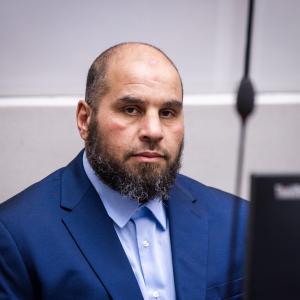
ICC-01/11-01/25
Image
Khaled Mohamed Ali El Hishri
In ICC custody

Khaled Mohamed Ali El Hishri

Khaled Mohamed Ali El Hishri (‘El Hishri’) is alleged to have been a senior official of the armed group Special Deterrence Force (known as SDF/RADA), in charge of the area of Mitiga Prison where women and young children were detained.

Arrest warrant issued on 10 July 2025.

Suspected of 17 counts of crimes against humanity and war crimes allegedly committed in Libya between 1 May 2014 and 30 June 2020. These crimes encompassed:

  • imprisonment or other severe deprivation of physical liberty, outrages upon personal dignity, cruel treatment, torture, and other inhumane acts committed against detainees principally at Mitiga Prison, as charged in counts 1-6; and
  • rape and other forms of sexual violence, murder, attempted murder, enslavement, and persecution of certain persons principally at Mitiga Prison, as charged in counts 7-17.

  • On 3 April 2025, the Office of the Prosecutor of the ICC applied for an arrest warrant against Mr El Hishri for crimes against humanity and war crimes. ICC Pre-Trial Chamber I (“the Chamber”) assessed the material submitted by the Prosecution and found reasonable grounds to believe that Mr Hishri is individually responsible for having committed directly himself, ordered or overseen crimes against humanity and war crimes, including murder, torture, rape and sexual violence, allegedly committed in Libya from February 2015 to early 2020.

    The warrant of arrest against Mr El Hishri was issued under seal by the Chamber on 10 July 2025 and reclassified as “Public” on 31 July 2025. On 1 December 2025, Mr El Hishri was surrendered to the International Criminal Court after being arrested on 16 July 2025 by the authorities of the Federal Republic of Germany pursuant to the warrant of arrest.

    The initial appearance of Mr El Hishri took place on 3 December 2025 before Pre-Trial Chamber I. The hearing was held in the presence of the Office of the Prosecutor and the Defence. Mr El Hishri was represented during the hearing by Mr Yasser Mohamed Ahmed Hassan.

    The confirmation of charges hearing took place from 19 to 21 May 2026. Over the course of three days, the judges heard oral submissions from the Prosecutor, the Common Legal Representatives of the Victims and the Defence.

    Next steps: The purpose of the confirmation of charges procedure is to determine whether there is sufficient evidence to establish substantial grounds to believe that the person committed the crimes he or she is suspected of. If the charges are confirmed, totally or partly, the case will be transferred to a Trial Chamber, which will conduct the subsequent phase of the proceedings: the trial. The Chamber will issue its decision on the confirmation of charges within 60 days after the confirmation hearing.

Pre-Trial Chamber I

Judge Iulia Motoc (Presiding)
Judge Reine Alapini-Gansou
Judge Socorro Flores Liera

Office of the Prosecutor

Karim A. A. Khan KC, Prosecutor
Nazhat Shameem Khan, Deputy Prosecutor

Defence

Yasser Mohamed Ahmed Hassan

Legal Representatives of the Victims

Paolina Massidda
Sarah Pellet

Questions and Answers

Print version: EnglishFrançaisالعربية

Khaled Mohamed Ali El Hishri, also known as Khaled ‘Al Booti’ or ‘Sheikh Khaled’ (Al Hishri), is a national of Libya, born on 23 June 1978 in Tripoli, Libya.

Mr El Hishri is suspected of 17 counts of crimes against humanity and war crimes, including outrages upon personal dignity, cruel treatment, murder and attempted murder, rape, sexual violence, torture, imprisonment or other severe deprivation of physical liberty, other inhumane acts, enslavement, and persecution. These crimes were allegedly committed against detainees of the Mitiga prison (where thousands of persons were detained for prolonged periods), in Tripoli, Libya, between -1 May 2014 and 30 June 2020.

According to the Prosecution’s submission of the Document Containing the Charges, Mr El Hishri is alleged to have been a senior official of the armed group Special Deterrence Force (known as known as SDF/RADA), in charge of the area of Mitiga Prison where women and young children were detained. He is suspected of being a direct perpetrator of crimes against humanity and war crimes, allegedly committed in Libya between 1 May 2014 and 30 June 2020. He is also suspected of having ordered, aided and abetted, and contributed to the commission of the alleged crimes.

Based on its investigations, the Office of the Prosecutor (OTP) requested the Judges of the International Criminal Court (ICC) to issue an arrest warrant against Khaled Mohamed Ali El Hishri. The Warrant for the arrest of Mr El Hishri was issued by the judges on 10 July 2025 under seal, and was reclassified as public on 31 July 2025. On Monday 1 December 2025, Mr El Hishri was surrendered to the custody of the ICC.

In line with its disclosure obligations under the Rome Statute and the Rules of Procedure and Evidence, the OTP has disclosed a substantial volume of evidence to the Defence. This includes thousands of items of evidence, -including witness statements and summaries, documentary material, audio-visual material, forensic and contextual evidence, etc. 

The materials and evidence submitted by the Prosecution to the Judges and the Defence team are subject to confidentiality. No information shared with the parties, unless done so publicly, may be communicated to others. This includes sources of evidence, names of OTP staff and names of witnesses.

Mr El Hishri is presumed innocent.

The ICC’s aim – and its mandate - is to fight impunity by investigating and prosecuting individuals suspected of having committed serious crimes under international law. In Libya, this mandate was triggered by a UN Security Council referral in 2011. The OTP has been investigating alleged crimes against humanity and war crimes committed in the context of the situation in Libya since 15 February 2011.

The ICC’s objective is to help ensure accountability for grave international crimes and to bring justice to the victims of such crimes. The ICC’s activities complement, not substitute the work of the Libyan judiciary.

Furthermore, in May 2025, Libya itself accepted ICC jurisdiction with respect to alleged crimes in its territory from 2011 to the end of 2027. This created a binding obligation for Libyan authorities to cooperate with the Court, including executing arrest warrants and facilitating investigations.

The arrest of Mr El Hishri is an important development in the OTP’s efforts to seek accountability in the situation in Libya, particularly for crimes in detention facilities across Libya under the responsibility of different groups and authorities. 

The confirmation of charges hearing is not a trial. The purpose of the confirmation of charges hearing is to determine if there is sufficient evidence to establish substantial grounds to believe that the suspect, in this case Mr El Hishri, committed each of the crimes charged by the OTP. At this stage, the judges will not determine whether Mr El Hishri is innocent or guilty.

The confirmation of charges hearing in the case referred to as the El Hishri case is scheduled on 19, 20, 21, 22 and 23 May 2026 at the seat of the Court in The Hague, The Netherlands.

At the hearing, in the presence of the suspect and his Defence lawyers, the Prosecution is required to support each of the charges with sufficient evidence to establish substantial grounds to believe that Mr El Hishri committed the crimes with which he is charged. At the hearing, the OTP will be represented by the Deputy Prosecutor and the Senior Trial Lawyers.

The hearing will take place before the judges of ICC Pre-Trial Chamber I (Chamber), composed of Judge Iulia Antoanella Motoc (Presiding Judge), Judge Reine Adélaïde Sophie Alapini-Gansou and Judge María del Socorro Flores Liera. The Prosecution, the Common Legal Representatives of Victims and the Defence will, in turn, present their arguments on the merits.

Within 60 calendar days after the end of the confirmation of charges hearing, the ICC judges will make a decision on whether or not to confirm all or any of the charges brought against Mr El Hishri.

If one or more charges are confirmed, the suspect is then considered an accused, and the case is committed for trial before a Trial Chamber.

The Judges of the Pre Trial Chamber do not make a decision in the course of the confirmation of charges hearing itself. They will deliver their written decision within 60 calendar days of the date on which the confirmation hearing ends. The Pre-Trial Chamber will deliver a decision, in which it may:

  • Confirm those charges for which the Chamber has determined that there is sufficient evidence, and commit the suspect to trial before a Trial Chamber;
  • Decline to confirm those charges for which it has determined that there is insufficient evidence and stop the proceedings against Mr El Hishri;
  • Adjourn the hearing and request the Prosecutor to provide further evidence, to conduct further investigations or to amend any charge for which the evidence submitted appears to establish a crime other than the one charged was committed. 

The Defence and the Prosecution are not automatically entitled to appeal this decision, but they can request authorisation to do so from the Pre-Trial Chamber.

If the Chamber finds that there is sufficient evidence to support all or some of the charges brought by the ICC Prosecutor, it will commit Mr El Hishri to trial. The Presidency of the Court will constitute a Trial Chamber responsible for conducting the subsequent phase of the proceedings and composed of three judges other than those who sat on the Pre-Trial bench.

Promptly after it is constituted, the Trial Chamber will hold status conferences, with the parties and participants, in order to set the date of the trial and adopt the procedures necessary to facilitate the fair and expeditious conduct of the proceedings. The Chamber will rule on several preliminary issues, including the language(s) to be used at trial, and the timing and the manner of disclosure of evidence.

If the Pre-Trial Chamber finds that there is insufficient evidence to support the charges, it will stop the proceedings against Mr El Hishri. The ICC judges would then give orders on the next steps in due course. 

Such a decision does not prevent the Prosecution from presenting a subsequent request for confirmation of the charges against Mr El Hishri on the basis of additional evidence.

Victims whose interests are affected have several rights before the ICC: the right to participate in judicial proceedings, the right to request reparations, the right to have their identity protected (for example, through the redaction of their identifying information), the right to be informed about developments in the proceedings, and the right to legal representation. Victims may share their views and concerns with the judges through the lawyer(s) appointed to represent them in the proceedings.

The judges have assigned the Court’s Office of Public Counsel for Victims (OPCV) to temporarily represent the collective interests of potential victims in the case until the mandate of a team of common legal representatives takes effect, so that the interests of victim applicants are appropriately protected. Ms Paolina Massidda, OPCV’s Principal Counsel, will attend the hearing and make oral submissions on the merits. Legal representation is paid under the ICC legal aid budget, as most victims are not able to afford these expenses.

In the El Hishri Case, victims who have the right to participate in the proceedings are those who have suffered harm as a result of the crimes for which Mr El Hishri is a suspect. The crimes alleged by the OTP are detailed in the Document Containing the Charges.

Both direct and indirect victims of the crimes Mr El Hishri is charged with will have the right to participate in proceedings:

  • Direct Victims – individuals who directly suffered harm as a result of the alleged crime(s);
  • Indirect Victims – individuals who suffered personal harm as a result of a crime directed against another person. For example, family members of someone who has been the direct victim of a crime are considered indirect victims before the Court if they suffered personal harm. Similarly, individuals who suffered personal harm when they intervened to prevent a crime from being committed can be recognised as indirect victims.

Participation of victims is voluntary free of charge: victims do not need to pay to fill in or be assisted to fill in forms.

Victims must apply in writing if they wish to participate in the El Hishri Case, and submit their applications to the Victims Participation and Reparations Section (VPRS). The forms are available on the ICC website, and can be completed in Arabic or any other available language. As part of the application process, victim applicants are required to attach identification documents to establish their identity and kinship (as applicable). ou can contact the VPRS at this address ([email protected]) for more information on identification documents.

The purpose of the application form is to facilitate the application process for the victims who wish to participate in the proceedings before the Court. Submitting an application in relation to the El Hishri Case does not automatically grant the applicant the status of victim participant in the case, but the form guides the applicants to submit sufficient information for the VPRS to make a legal eligibility assessment.

Applications are registered by the VPRS in its secure and confidential database. Then, the VPRS assesses whether applications are complete and whether the alleged crimes and harm fall within the scope of the El Hishri Case. If an application form is incomplete, the VPRS will request additional information from the victim, their legal representative(s), or any person or organisation who assisted them in filling the application. To avoid duplication, it is important to fill in only one form per victim.

At the ICC, victims’ personal and any identifying information is considered confidential and is not available to the public. It is important that victims take preventive measures such as avoiding mentioning their involvement with the ICC to others or in public. It is also important to avoid anything that could expose victims and put them or other people at risk, such as talking to the media, or posting on social media, about their contact with the ICC. If applicants are concerned about their security or well-being (or that of others), they can mention these concerns in their application. If applicants have an acute security concern as a result of engaging with the ICC, they should immediately contact their legal representative or the VPRS at: [email protected].

Victims who wish to participate through a lawyer in the confirmation of charges hearing must submit their application forms for participation and reparations to the VPRS as soon as possible. The VPRS will transmit all complete applications to the Chamber, by 4 May 2026. The judges will decide whether each application meets all the requirements to recognise the applicant as a victim participant, in the El Hishri Case. Once a victim is granted participating victim status, they will be represented by Ms Paolina Massidda.

Victims who are unable to participate in the pre-trial proceedings, or do not wish to do, so can apply for participation at a later stage (i.e. in the Trial proceedings of Mr El Hishri, in case some of all of the charges against him are confirmed). In such a scenario, the VPRS will provide relevant information in due course.

If victims are interested in applying for participation and reparations, they are invited to contact VPRS beforehand, since, as much as possible, the forms should be completed with the assistance of persons who have been trained by VPRS to ensure that they are properly filled out and that all the information necessary at this stage is provided. For more information, or to submit a form, you can contact the VPRS at this address: [email protected].

Victims can be involved in ICC proceedings either as a participating victim, as a witness, or as both. Participation as a victim involves the following: 

  • Participation is voluntary and involves communicating to the Court the victim's views and concerns regarding the case. It is up to the victim, together with their lawyer(s), to decide what to say.
  • Participation is possible at all stages of proceedings when considered appropriate by the judges and through the lawyer. This means that the participation in Court is via a legal representative, and victims usually do not appear in person before the Court.
  • If there is a conviction, victims who are considered eligible for reparations – to be assessed after the reparations order has been issued – can be awarded reparations and can receive assistance from the Trust Fund for Victims.

Participation as a witness involves the following:

  • A witness is called to testify at the request of the Prosecution, the Defence, the Legal Representative of the Victims, or the Judges.
  • The purpose is to give evidence by testifying and answering related questions.
  • A witness is called to testify at a specific time, in person at the Court or remotely as authorised by the judges.
  • A witness normally does not have a legal representative, unless there is a risk of self-incrimination.

Mr Yasser Mohamed Ahmed Hassan is the Lead Counsel for Mr El Hishri’s defence team. He was designated by Mr El Hishri (pursuant to his Rome Statute rights to choose his Counsel so long as they are admitted on the ICC List of Counsel or meet the criterial to be admitted on the list).

Defence Counsel may object to the charges, respond to Prosecution evidence and present exculpatory evidence.

Mr El Hishri’s financial situation is currently reviewed under the Court’s legal aid system, to determine whether or not he can bear the costs of his defence in the proceedings before the Court.

Suspects before the ICC are presumed innocent until proven guilty. They are present in the courtroom during the proceedings, and they have a right to a public, fair and impartial hearing of their case.

The Court’s legal documents grants suspects a number of rights, such as:

  • The right to use a language they fully understand and speak;
  • The right to be defended by a lawyer of their choice;
  • The right to present evidence and call witnesses;
  • The right to be informed of the charges;
  • The right to have adequate time and facilities to prepare their defence;
  • The right to remain silent;
  • The right not to be compelled to testify or to confess guilt; and
  • The right to have the Prosecution disclose to the defence both incriminating and potentially exonerating evidence.

Since his transfer to the Court on 1 December 2025, Mr El Hishri has been detained at the ICC Detention Centre in Scheveningen, in The Hague, The Netherlands. The Detention Centre meets the highest international human rights standards for the treatment of detainees. Detained persons are presumed by the Court to be innocent until proven guilty beyond reasonable doubt.

Pre-Trial Chamber I is composed of:

  • Judge Iulia Antoanella Motoc (Presiding Judge);
  • Judge Reine Adélaïde Sophie Alapini-Gansou;
  • Judge María del Socorro Flores Liera.

The ICC Judges are persons of high moral character, impartiality and integrity who possess the qualifications required in their respective States for appointment to the highest judicial offices. All have extensive experience relevant to the Court’s judicial activity. The Judges are elected by the Assembly of States Parties on the basis of their established competence in criminal law and procedure and in relevant areas of international law such as international humanitarian law and human rights law.

أسئلة وأجوبة

نسخة للطباعة: EnglishFrançaisالعربية

خالد محمد علي الهيشري، المعروف أيضاً باسم خالد "البوطي" أو "شيخ خالد" (الهيشري)، هو مواطن ليبي من مواليد 23 حزيران/يونيو 1978 في طرابلس بليبيا.

ويُشتبه في أن السيد الهيشري ارتكب 17 تهمة تتعلق بجرائم ضد الإنسانية وجرائم حرب تشمل ما يلي: الاعتداء على الكرامة الشخصية، والمعاملة القاسية، والقتل العمد والشروع في القتل، والاغتصاب، والعنف الجنسي، والتعذيب، والسجن أو أي شكل آخر من أشكال الحرمان الشديد من الحرية الجسدية، وأعمال غير إنسانية أخرى، والاستعباد، والاضطهاد. ويُدَّعى بأن هذه الجرائم ارتُكبت بحق محتجزين في سجن معيتيقة (حيث احتُجز آلاف الأشخاص لفترات مطولة)، في طرابلس بليبيا في الفترة الممتدة من 1 أيار/مايو 2014 إلى 30 حزيران/يونيو 2020.

ووفقاً للوثيقة المتضمنة للتهم التي قدّمها الادعاء، يُدَّعى بأن السيد الهيشري كان مسؤولاً رفيع المستوى في الجماعة المسلحة المتمثلة في "قوة الردع الخاصة" (المعروفة باسم قوة الردع الخاصة/الردع)، وكان يتولى مسؤولية منطقة سجن معيتيقة حيث جرى احتجاز نساء وأطفال صغار. ويُشتبه في ارتكابه مباشرة جرائم ضد الإنسانية وجرائم حرب يُدَّعى بأنها ارتُكبت في ليبيا في الفترة الممتدة من 1 أيار/مايو 2014 إلى 30 حزيران/يونيو 2020. ويُشتبه أيضاً في أنه أمر بارتكاب الجرائم المدَّعى بارتكابها وساعد وحرّض على ارتكابها وساهم في ذلك.

وطلب مكتب المدعي العام، بناءً على التحقيقات التي أجراها، من قضاة المحكمة الجنائية الدولية إصدار أمر بالقبض على خالد محمد علي الهيشري. وأصدر القضاة أمراً بالقبض محرّزاً بالأختام على السيد الهيشري في 10 تموز/يوليو 2025، وأُعيد تصنيف وثيقة أمر القبض فأصبحت وثيقة علنية في 31 تموز/يوليو 2025. وفي يوم الاثنين الموافق 1 كانون الأول/ديسمبر 2025، جرى تسليم السيد الهيشري إلى عهدة المحكمة الجنائية الدولية.

وكشف مكتب المدعي العام، عملاً بالتزاماته المتعلقة بالإفصاح بموجب نظام روما الأساسي والقواعد الإجرائية وقواعد الإثبات، عن كمية كبيرة من الأدلة إلى الدفاع. وتشمل هذه الأدلة آلاف العناصر الإثباتية ومنها إفادات الشهود وملخصاتها، ومواد وثائقية، ومواد سمعية ومرئية، وأدلة الطب الشرعي وأدلة سياقية، وما إلى ذلك.

وتُعدّ المواد والأدلة التي قدمها الادعاء إلى القضاة وفريق الدفاع مشمولة بالسرية التامة. ولا يجوز إطلاع أطراف أخرى على أي معلومات أُطلعت عليها الأطراف، ما لم يُفصح عنها علناً. ويشمل ذلك مصادر الأدلة وأسماء موظفي مكتب المدعي العام وأسماء الشهود.

ويُعتبر السيد الهيشري بريئاً حتى تثبت إدانته.

يتمثل هدف المحكمة الجنائية الدولية - وولايتها - في مكافحة الإفلات من العقاب من خلال التحقيق مع الأفراد المشتبه في ارتكابهم جرائم خطيرة بموجب القانون الدولي ومقاضاتهم. وانبثقت ولاية المحكمة، في ليبيا، بموجب قيام مجلس الأمن التابع للأمم المتحدة بإحالة الحالة في ليبيا إلى المحكمة في عام 2011. ويتولى مكتب المدعي العام التحقيق في الجرائم ضد الإنسانية وجرائم الحرب التي يُدَّعى بأنها ارتُكبت في سياق الحالة في ليبيا منذ 15 شباط/فبراير 2011.

ويتمثل هدف المحكمة الجنائية الدولية في المساعدة على ضمان مساءلة مرتكبي الجرائم الدولية الخطيرة عن أفعالهم وتحقيق العدالة لصالح المجني عليهم الذين تضرروا من هذه الجرائم. وتكمِّل أنشطة المحكمة الجنائية الدولية عمل القضاء الليبي، ولا تحلّ محله.

وفضلاً عن ذلك، قبلت ليبيا في أيار/مايو 2025 اختصاص المحكمة الجنائية الدولية فيما يتعلق بالجرائم التي يُدَّعى بارتكابها على أراضيها، وذلك فيما يخص الفترة الممتدة من عام 2011 إلى نهاية عام 2027. وقد تمخض ذلك عن إلزام السلطات الليبية بواجب التعاون مع المحكمة، ولا سيّما تنفيذ أوامر القبض وتيسير عمليات التحقيق.

ويُعدّ القبض على السيد الهيشري تطوراً بارزاً في الجهود التي يبذلها مكتب المدعي العام سعياً إلى تحقيق المساءلة في الحالة في ليبيا، ولا سيّما فيما يتعلق بالجرائم المرتكبة في مراكز الاحتجاز في جميع أرجاء ليبيا تحت مسؤولية جماعات وسلطات مختلفة.

لا تشكّل جلسة اعتماد التهم محاكمة. وترمي جلسة اعتماد التهم إلى تحديد ما إذا كانت هناك أدلة كافية لإثبات وجود أسباب وجيهة تدعو إلى الاعتقاد بأن المشتبه فيه، وهو السيد الهيشري في هذه الحالة، قد ارتكب كل جريمة من الجرائم التي يوجهها إليه مكتب المدعي العام. وفي هذه المرحلة، لن يبتّ القضاة في مسألة إدانة السيد الهيشري أو براءته.

ومن المقرر عقد جلسة اعتماد التهم في القضية المشار إليها باسم "قضية الهيشري" في 19 و20 و21 أيار/مايو 2026 في مقر المحكمة في لاهاي بهولندا.

ويتعيّن على الادعاء خلال الجلسة، وبحضور المشتبه فيه ومحاميي الدفاع عنه، دعم كل تهمة من التهم الموجهة بأدلة كافية لإثبات وجود أسباب وجيهة للاعتقاد بأن السيد الهيشري ارتكب الجرائم الموجهة إليه. وسيتولى نائب المدعي العام وكبار محاميي المرافعات تمثيل مكتب المدعي العام خلال الجلسة.

وستُعقد الجلسة أمام قضاة الدائرة التمهيدية الأولى للمحكمة الجنائية الدولية ("الدائرة")، المؤلفة من القاضية يوليا أنتونيلا موتوك (رئيسة الدائرة)، والقاضية رين أدلايد صوفي ألابيني-غانصو، والقاضية ماريا ديل سوكورو فلوريس لييرا. وسيقدم كل من الادعاء والممثلون القانونيون المشتركون للمجني عليهم والدفاع، بالتناوب، حججهم بشأن موضوع الدعوى.

وفي غضون 60 يوماً تقويمياً من تاريخ انتهاء جلسة اعتماد التهم، سيتخذ قضاة المحكمة الجنائية الدولية قراراً بشأن اعتماد أو عدم اعتماد جميع التهم الموجهة إلى السيد الهيشري أو أي منها.

وإذا اعتُمدت تهمة واحدة أو أكثر، يُعتبر المشتبه به متهماً، وتُحال القضية لمرحلة المحاكمة أمام دائرة ابتدائية.

لا يصدر قضاة الدائرة التمهيدية قراراً أثناء جلسة اعتماد التهم بحدّ ذاتها. بل سيصدرون قرارهم الخطي في غضون 60 يوماً تقويمياً من تاريخ انتهاء جلسة اعتماد التهم. وستصدر الدائرة التمهيدية قراراً قد تقرر فيه أحد الأمور التالية:

  • اعتماد التهم التي قررت الدائرة أن هناك أدلة كافية بشأنها، وإحالة المشتبه به إلى المحاكمة أمام دائرة ابتدائية؛
  • رفض اعتماد التهم التي قررت الدائرة أنه لا توجد أدلة كافية بشأنها، ووقف إجراءات الدعوى ضد السيد الهيشري؛
  • إرجاء الجلسة وتطلب الدائرة من المدعي العام تقديم المزيد من الأدلة أو إجراء المزيد من التحقيقات أو تعديل أية تهمة لكون الأدلة المقدمة تثبت فيما يبدو ارتكاب جريمة غير تلك الموجهة أصلاً.

ولا يحق للدفاع أو الادعاء استئناف هذا القرار تلقائياً، ولكن يمكنهما طلب الإذن من الدائرة التمهيدية للقيام بذلك.

إذا خلصت الدائرة إلى أن هناك أدلة كافية لدعم جميع التهم أو جزء منها التي وجهها المدعي العام للمحكمة الجنائية الدولية، فسوف تحيل السيد الهيشري إلى المحاكمة. وستشكل هيئة رئاسة المحكمة دائرة ابتدائية تتولى مسؤولية مباشرة المرحلة التالية من الإجراءات، وتتألف هذه الدائرة من ثلاثة قضاة غير القضاة الذين تولوا النظر في القضية في الدائرة التمهيدية.

وستعقد الدائرة الابتدائية، بعد تشكيلها مباشرة، جلسات تمهيدية مع الأطراف والمشاركين لتحديد موعد بدء المحاكمة واعتماد الإجراءات اللازمة لتسهيل سير الإجراءات القضائية بصورة منصفة وناجزة. وستبتّ الدائرة الابتدائية في عدة مسائل أولية تشمل مثلاً اللغة أو اللغات التي ستُستخدم في المحاكمة، وتوقيت الكشف عن الأدلة وكيفية الكشف عنها.

إذا خلصت الدائرة التمهيدية إلى أن الأدلة غير كافية لإثبات التهم الموجهة، فستقوم بوقف الإجراءات المتخذة بحق السيد الهيشري. وسيصدر قضاة المحكمة الجنائية الدولية عندئذ في الوقت المناسب أوامر بشأن الخطوات المقبلة.

ولا يمنع هذا القرار الادعاء من تقديم طلب لاحق لاعتماد التهم الموجهة إلى السيد الهيشري استناداً إلى أدلة إضافية.

يتمتع المجنى عليهم الذين تضررت مصالحهم بعدد من الحقوق أمام المحكمة الجنائية الدولية: الحق في المشاركة في الإجراءات القضائية، والحق في طلب جبر الأضرار، والحق في حماية هويتهم (من خلال مثلاً حجب المعلومات التي تتيح التعرف على هويتهم)، والحق في الاطلاع على آخر المستجدات المتعلقة بسير الإجراءات، والحق في التمثيل القانوني. ويجوز للمجني عليهم إبداء آرائهم وشواغلهم للقضاة من خلال المحامي المعيّن أو المحامين المعيّنين لتمثيلهم في الإجراءات.

وكلّف القضاة مكتب المحامي العمومي للمجني عليهم التابع للمحكمة بتمثيل المصالح الجماعية للمجني عليهم المحتملين في هذه القضية تمثيلاً مؤقتاً، ريثما يبدأ سريان ولاية فريق الممثلين القانونيين المشتركين، وذلك لضمان حماية مصالح المجني عليهم الذين يقدمون طلبات كما ينبغي. وستحضر السيدة باولينا ماسيدا، المستشارة الرئيسية لمكتب المحامي العمومي للمجني عليهم، الجلسة وستقدم إفادات شفهية بشأن موضوع الدعوى. ويجري تغطية تكاليف التمثيل القانوني من الميزانية التي تخصصها المحكمة للمساعدة القانونية، نظراً إلى أن معظم المجني عليهم غير قادرين على تحمل هذه النفقات.

وفي قضية الهيشري، فإن المجني عليهم الذين يحق لهم المشاركة في الإجراءات هم أولئك الذين تضرروا من الجرائم التي يُشتبه في أن السيد الهيشري قد ارتكبها. وترد تفاصيل الجرائم التي يدّعي مكتب المدعي العام بأن السيد الهيشري ارتكبها في الوثيقة المتضمنة للتهم.

وسيكون للمجني عليهم المباشرين وغير المباشرين الذين تضرروا من الجرائم التي يُتهم بارتكابها السيد الهيشري الحق في المشاركة في الإجراءات كما يلي:

  • المجني عليهم المباشرون: الأفراد الذين تضرروا تضرراً مباشراً نتيجة للجريمة أو الجرائم المدَّعى بارتكابها؛
  • المجني عليهم غير المباشرين: الأفراد الذين تضرروا تضرراً شخصياً نتيجة لجريمة ارتُكبت بحق شخص آخر. فعلى سبيل المثال، يندرج أفراد أسرة شخص من المجني عليهم المباشرين لجريمة ما في عِداد المجني عليهم غير المباشرين في نظر المحكمة إذا تعرضوا لضرر شخصي. وبالمثل، يمكن الاعتراف بالأفراد الذين تعرضوا لضرر شخصي حينما تدخلوا لمنع ارتكاب جريمة ما باعتبارهم متمتعين بصفة المجني عليهم غير المباشرين.

مشاركة المجني عليهم طوعية ومجانية: فلا يتعين على المجني عليهم دفع أي رسوم لملء النماذج أو للحصول على المساعدة في هذا الشأن.

ويجب على المجني عليهم تقديم طلبات خطية إذا رغبوا في المشاركة في قضية الهيشري، وتقديم طلباتهم إلى قسم مشاركة المجني عليهم وجبر أضرارهم. وتتوفر النماذج في الموقع الإلكتروني للمحكمة الجنائية الدولية، ويمكن ملء هذه النماذج باللغة العربية أو بأية لغة أخرى متاحة. ويتعين على المجني عليهم الذين يقدّمون طلبات، في إطار إجراءات التقديم، إرفاق وثائق هوية لإثبات هويتهم وصلة قرابتهم (بحسب الاقتضاء)، ويمكنهم الاتصال بقسم مشاركة المجني عليهم وجبر أضرارهم عبر العنوان التالي: ([email protected]) للحصول على المزيد من المعلومات عن وثائق إثبات الهوية.

ويرمي نموذج الطلب إلى تسهيل عملية تقديم الطلبات لصالح المجني عليهم الذين يرغبون في المشاركة في الإجراءات أمام المحكمة. وتقديم طلب فيما يتعلق بقضية الهيشري لا يمنح مقدم الطلب تلقائياً صفة المجني عليه المشارك في القضية، بيد أن النموذج أُعدّ بحيث يتيح لمقدمي الطلبات تقديم معلومات كافية تمكّن قسم مشاركة المجني عليهم وجبر أضرارهم من إجراء تقييم لأهليتهم القانونية.

ويقوم قسم مشاركة المجني عليهم وجبر أضرارهم بتسجيل الطلبات في قاعدة بياناته الآمنة والسرية. ثم يضطلع القسم بتقييم ما إذا كانت الطلبات كاملة وما إذا كانت الجرائم والأضرار المدَّعى بوقوعها تندرج في نطاق قضية الهيشري. وإذا كان نموذج الطلب غير مكتمل، سيطلب القسم معلومات إضافية من المجني عليه أو ممثله القانوني (أو ممثليه القانونيين) أو أي شخص أو منظمة ساعداه على ملء الطلب. ولتجنب الازدواجية، من المهم ملء نموذج واحد فقط لكل شخص من المجني عليهم.

وفي المحكمة الجنائية الدولية، تُعتبر المعلومات الشخصية للمجني عليهم وأية معلومات تتيح التعرف على هويتهم سرية ولا يمكن للجمهور الاطلاع عليها. ومن المهم أن يتخذ المجني عليهم تدابير وقائية مثل تجنب ذكر مشاركتهم مع المحكمة الجنائية الدولية لأشخاص آخرين أو في الأماكن العامة. ومن المهم أيضاً تجنب أي شيء قد يكشف المجني عليهم أو يعرّضهم للخطر أو يعرّض غيرهم للخطر، مثل التحدث إلى وسائل الإعلام أو كتابة منشورات على وسائل التواصل الاجتماعي بشأن ارتباطهم بالمحكمة الجنائية الدولية. وإذا شعر مقدمو الطلبات بالقلق بشأن أمنهم أو سلامتهم (أو أمن وسلامة أشخاص آخرين)، فيمكنهم ذكر هذه الشواغل في طلباتهم. وإذا كان لدى مقدمي الطلبات شواغل أمنية شديدة بسبب تعاملهم مع المحكمة الجنائية الدولية، فيجب عليهم الاتصال فوراً بممثلهم القانوني أو قسم مشاركة المجني عليهم وجبر أضرارهم على العنوان التالي: [email protected].

يجب على المجني عليهم الذين يرغبون في المشاركة عن طريق محامٍ في جلسة اعتماد التهم تقديم نماذج طلب المشاركة وجبر الأضرار إلى قسم مشاركة المجني عليهم وجبر أضرارهم في أقرب وقت ممكن. وسيحيل قسم مشاركة المجني عليهم وجبر أضرارهم جميع الطلبات الكاملة إلى الدائرة في موعد أقصاه 4 أيار/مايو 2026. وسيقرر القضاة ما إذا كان كل طلب من الطلبات يستوفي جميع الشروط اللازمة للاعتراف بمنح مقدم الطلب صفة "المجني عليه المشارك" في الإجراءات في قضية الهيشري. وبعد منح المجني عليه صفة "المجني عليه المشارك"، تتولى السيدة باولينا ماسيدا تمثيله.

ويمكن للمجني عليهم الذين لا يستطيعون المشاركة في إجراءات ما قبل المحاكمة، أو لا يرغبون في ذلك، التقدم بطلب للمشاركة في مرحلة لاحقة (أي في إجراءات محاكمة السيد الهيشري، في حالة اعتماد بعض التهم الموجهة إليه). وفي هذه الحالة، سيقدم قسم مشاركة المجني عليهم وجبر أضرارهم المعلومات ذات الصلة في الوقت المناسب.

وإذا رغب المجني عليهم في تقديم طلب للمشاركة وجبر الأضرار، فيُرجى منهم الاتصال بقسم مشاركة المجني عليهم وجبر أضرارهم مسبقاً، إذ ينبغي ملء النماذج، قدر المستطاع، بمساعدة أشخاص اضطلع القسم بتدريبهم، لضمان إكمالها بصورة صحيحة وتوفير جميع المعلومات اللازمة في هذه المرحلة. وللحصول على المزيد من المعلومات، أو تقديم نموذج، يمكنكم الاتصال بقسم مشاركة المجني عليهم وجبر أضرارهم عبر العنوان التالي: [email protected].

يمكن للمجني عليهم المشاركة في إجراءات المحكمة الجنائية الدولية إما بصفة المجني عليهم المشاركين وإما بصفة الشاهد وإما بكلتا الصفتَين. وتشمل المشاركة بصفة المجني عليه ما يلي:

  • المشاركة طوعية وتشمل إبلاغ المحكمة بآراء المجني عليهم ومخاوفهم بشأن القضية. ويتعين على المجني عليه، بالتشاور مع محاميه، اتخاذ قرار بشأن ما يود الإعراب عنه؛
  • يمكن المشاركة في جميع مراحل الإجراءات عندما يرى القضاة ذلك مناسباً وعن طريق المحامي. ويعني ذلك أن المشاركة في المحكمة تجري عن طريق ممثل قانوني، ولا يمثُل المجني عليهم عادةً أمام المحكمة شخصياً؛
  • في حالة الإدانة، يمكن للمجني عليهم الذين يُعتبرون مؤهلين للانتفاع بجبر الأضرار – وهو أمر يجري تقييمه بعد صدور الأمر بجبر الأضرار - الحصول على جبر الأضرار والمساعدة من الصندوق الاستئماني للمجني عليهم.

وأما المشاركة بصفة الشاهد فتشمل ما يلي:

  • ُستدعى الشاهد للإدلاء بشهادته بناءً على طلب الادعاء أو الدفاع أو الممثل القانوني للمجني عليهم أو القضاة؛
  • الغرض من ذلك هو تقديم الأدلة من خلال الإدلاء بالشهادة والإجابة عن الأسئلة ذات الصلة؛
  • يُستدعى الشاهد للإدلاء بشهادته في وقت محدد، ويكون ذلك إما شخصياً في المحكمة وإما عن بُعد بحسب موافقة القضاة؛
  • لا يكون للشاهد عادةً ممثل قانوني، إلا إذا كان يُخشى من أن يقوم بتجريم نفسه.

السيد ياسر محمد أحمد حسن هو المحامي الرئيسي لفريق الدفاع عن السيد الهيشري. وقد عيّنه السيد الهيشري (عملاً بالحقوق المكفولة له بموجب نظام روما الأساسي في اختيار محاميه، شريطة أن يكون هذا المحامي مدرجاً في قائمة المحامين لدى المحكمة الجنائية الدولية أو أن يستوفي معايير قبوله إدراجه في هذه القائمة).

ويجوز لمحامي الدفاع الاعتراض على التهم الموجهة، والردّ على الأدلة التي يقدمها الادعاء، وتقديم أدلة إثبات البراءة.

يجري حالياً استعراض الوضع المالي للسيد الهيشري في إطار نظام المساعدة القانونية للمحكمة، وذلك لتحديد ما إذا كان قادراً على تحمل تكاليف دفاعه في إطار إجراءات الدعوى الجارية أمام المحكمة.

تُفترض براءة المشتبه فيهم أمام المحكمة الجنائية الدولية حتى تثبت إدانتهم. وهم يحضرون جلسات المحكمة أثناء سير الإجراءات، ويحق لهم الانتفاع بمحاكمة علنية ومنصفة ونزيهة.

وتكفل الوثائق القانونية للمحكمة عدداً من الحقوق للمشتبه فيهم تشمل مثلاً ما يلي:

  • الحق في استخدام لغة يفهمونها تماماً ويتحدثونها بطلاقة؛
  • الحق في الاستعانة في دفاعهم بمحامٍ من اختيارهم؛
  • الحق في تقديم الأدلة واستدعاء الشهود؛
  • الحق في أن يُبلغوا بالتهم الموجهة إليهم؛
  • الحق في أن يُتاح لهم الوقت الكافي والتسهيلات اللازمة لإعداد دفاعهم؛
  • الحق في التزام الصمت؛
  • الحق في ألا يُجبروا على الشهادة ضد أنفسهم أو على الاعتراف بالذنب؛
  • الحق في أن يكشف الادعاء للدفاع كلاً من الأدلة التي تدين المتهم والأدلة التي يُحتمل أن تثبت براءته.

يُحتجز السيد الهيشري، منذ نقله إلى المحكمة في 1 كانون الأول/ديسمبر 2025، في مركز الاحتجاز التابع للمحكمة الجنائية الدولية في سخيفننغن في لاهاي بهولندا. ويستوفي مركز الاحتجاز أعلى المعايير الدولية لحقوق الإنسان في معاملة المحتجزين. وتعتبر المحكمة المحتجزين أبرياء حتى تثبت إدانتهم بما لا يدع مجالاً للشك.

تتألف الدائرة التمهيدية الأولى من القاضيات التاليات:

  • القاضية يوليا أنتونيلا موتوك (رئيسةً للدائرة)؛
  • القاضية رين أدلايد صوفي ألابيني-غانصو؛
  • القاضية ماريا ديل سوكورو فلوريس لييرا.

وقضاة المحكمة الجنائية الدولية أشخاص يتمتعون بخلق رفيع، وتتوفر فيهم صفات الحياد والنزاهة، ولهم مؤهلات تشترطها دولهم للتعيين في أرفع المناصب القضائية. ويتمتعون جميعاً بخبرة واسعة فيما يخص النشاط القضائي للمحكمة. وتنتخب جمعية الدول الأطراف القضاة على أساس كفاءاتهم المثبتة في مجال القانون الجنائي والإجراءات الجنائية ومجالات القانون الدولي المعنية مثل القانون الدولي الإنساني وقانون حقوق الإنسان.